

A residential battery can change the way a home uses electricity. Instead of using solar power only when the sun is shining, homeowners can store excess energy and use it later—at night, during cloudy periods, or when the electrical grid goes down.
But choosing a home battery is not simply about buying the largest battery available. Battery capacity, power output, solar production, electricity usage, installation requirements, battery chemistry, warranty, and local electricity rates all affect whether a system makes financial sense.
In this complete guide, we’ll explain what a residential battery is, how home battery storage works, how much capacity you may need, the benefits and limitations, costs, solar integration, and what to consider before buying one in 2026.
Quick answer: A residential battery stores electricity for later use. When paired with solar panels, it can store excess daytime solar production and make that energy available after sunset or during a grid outage.
What Is a Residential Battery?
A residential battery is an energy-storage system designed for use in homes.
Related Post

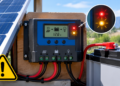
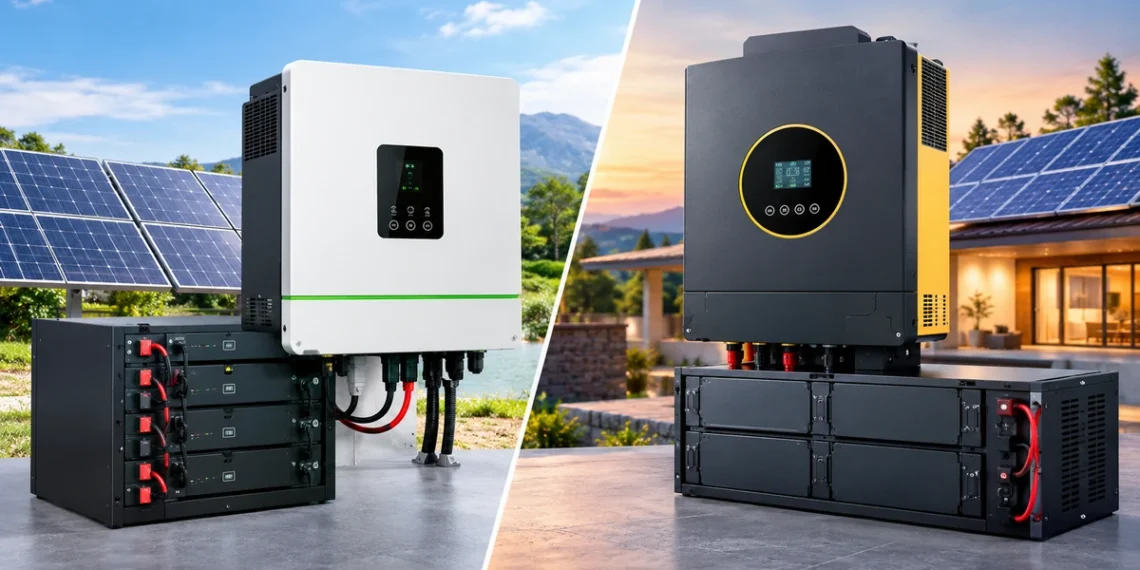
It stores electrical energy and releases it when needed. A typical home battery system may include:
- Battery cells
- Battery management system
- Inverter or power conversion equipment
- Monitoring software
- Safety controls
- Wiring and protective equipment
The battery itself is only one part of the complete system. Installation may also require electrical equipment that allows the battery to communicate with your home’s electrical panel and solar inverter.
Modern residential batteries commonly use lithium-ion technology, although different battery chemistries and system designs are available.
How Does a Residential Battery Work?
The basic process is straightforward.
During the day
Solar panels generate electricity when sunlight is available.
Your home uses some of that electricity immediately. If solar production exceeds your home’s current demand, the excess electricity can be directed toward the battery.
When the battery is charging
The battery stores the available energy for later use.
A battery management system monitors important operating conditions and helps control charging and discharging.
At night
Solar production normally falls to zero after sunset.
Instead of immediately purchasing all of your electricity from the grid, your home can use energy stored in the battery, depending on the system configuration and its available charge.
During a power outage
Some residential battery systems can provide backup power during an outage.
However, not every solar-plus-battery installation automatically provides whole-home backup. Backup capability depends on the equipment, electrical configuration, loads being backed up, and installation design.
Residential Battery vs. Solar Panels: What’s the Difference?
Solar panels and batteries perform different jobs.
| Equipment | Main function |
|---|---|
| Solar panels | Generate electricity |
| Residential battery | Store electricity |
| Inverter | Converts electricity into the form required by the home/grid |
| Energy management system | Controls and monitors energy flows |
Think of solar panels as the energy generator and the battery as the energy storage tank.
A solar system can operate without a battery, depending on the design. A battery can also potentially be installed without solar, although combining storage with solar can provide additional benefits.
Why Add a Residential Battery to Solar?
One of the biggest limitations of solar power is timing.
Solar panels typically produce the most electricity during daylight hours, while many homes continue using electricity after sunset.
For example:
Daytime:
Solar production → Home → Excess → Battery
Night:
Battery → Home
This can increase the amount of solar-generated electricity that your household uses directly instead of exporting or otherwise leaving unused, depending on local utility rules.
7 Major Benefits of Residential Battery Storage
1. Backup Power
A properly configured battery system can keep selected household circuits operating during a grid outage.
Depending on system size, backup loads could include:
- Refrigerators
- Internet equipment
- Lighting
- Security systems
- Computers
- Small appliances
- Medical equipment where appropriate and professionally supported
A larger system may be capable of supporting more substantial household loads.
2. Better Use of Solar Energy
Without storage, excess solar production may be exported to the grid under applicable utility programs.
With a battery, some of that electricity can instead be stored and used later.
This can be particularly useful when your home consumes more electricity in the evening than during the middle of the day.
3. Greater Energy Independence
A battery can reduce dependence on electricity from the grid during certain periods.
However, battery storage does not automatically make a home completely energy independent.
A home with large electricity consumption may still need grid electricity, especially after extended periods of low solar production.
4. Protection During Outages
Grid reliability varies by location.
A residential battery can provide an additional layer of resilience when the electrical grid goes down.
For many homeowners, backup capability is one of the most important reasons to consider storage.
5. Potential Electricity-Bill Savings
Depending on your electricity plan, a battery may help reduce expensive electricity purchases during certain hours.
Some electricity tariffs charge different rates depending on when electricity is consumed.
In these situations, battery storage can potentially charge during lower-cost periods and discharge during higher-cost periods.
Whether this produces meaningful savings depends heavily on your local electricity pricing structure.
6. Energy Monitoring
Many modern battery systems include smartphone applications or web dashboards.
These tools can allow homeowners to monitor:
- Solar production
- Household consumption
- Battery charge
- Battery discharge
- Grid imports
- Grid exports
- Backup status
This information can help homeowners understand where their electricity is going.
7. Better Solar System Flexibility
Battery storage can make a solar installation more flexible.
Instead of designing a system only around daytime electricity production, homeowners can consider how energy will be used throughout the entire day.
How Much Residential Battery Storage Do You Need?
This is one of the most important questions to answer before purchasing a battery.
There is no universal battery size that works for every home.
Your ideal capacity depends on:
- Daily electricity consumption
- Critical loads
- Solar-panel production
- Desired backup duration
- Electricity rates
- Battery usable capacity
- Maximum battery power output
- Local weather and solar conditions
- Whether you want partial-home or whole-home backup
Simple example
Imagine a household wants to keep approximately 10 kWh of essential electricity available overnight.
A battery advertised with a certain total capacity may not deliver all of that energy as usable energy because systems have operating limits and conversion losses.
Therefore, homeowners should compare usable capacity, not just the headline battery capacity.
Battery Capacity vs. Power: What’s the Difference?
These two specifications are often confused.
Capacity = how much energy the battery stores
Capacity is commonly expressed in kilowatt-hours (kWh).
For example:
A 10 kWh battery can store roughly 10 kWh of usable energy under the relevant specifications.
Power = how much electricity the battery can deliver at one time
Power is generally measured in kilowatts (kW).
A battery might have plenty of stored energy but still be unable to operate a high-power appliance if its inverter/output rating is too low.
For example, starting a large motor can require significantly more power than its normal running consumption.
When comparing residential batteries, look at both kWh and kW.
Residential Battery Chemistry
Different battery technologies have different characteristics.
Lithium Iron Phosphate (LFP)
Lithium iron phosphate, often called LFP, has become an important chemistry for stationary energy storage.
Potential advantages include:
- Long cycle life
- Strong thermal characteristics
- Good suitability for stationary storage
- High usable energy depending on system design
However, individual products differ, so homeowners should evaluate the complete system rather than assuming every battery with the same chemistry performs identically.
Other Lithium-Ion Chemistries
Other lithium-ion chemistries may also be used in energy-storage products.
The right choice depends on the manufacturer’s design, safety system, warranty, operating environment, and intended application.
How Long Does a Residential Battery Last?
Battery lifespan depends on factors such as:
- Battery chemistry
- Temperature
- Depth of discharge
- Charging and discharging patterns
- Installation conditions
- Manufacturer specifications
A battery warranty can be more useful than a generic lifespan estimate because warranties may specify conditions such as:
- Years of coverage
- Cycle limits
- Retained capacity
- Operating conditions
- Equipment coverage
Always read the actual warranty before purchasing.

Can a Residential Battery Work Without Solar Panels?
Yes, depending on the battery system.
Some batteries can charge from the electrical grid and discharge later.
However, the purpose and economics are different from a solar-plus-storage system.
With solar:
Solar → Home → Battery → Home
Without solar:
Grid → Battery → Home
Whether grid charging is useful depends on your electricity tariff, local regulations, equipment capabilities, and energy goals.
Can a Residential Battery Power the Whole House?
Sometimes—but not automatically.
A whole-home backup system requires enough inverter power and battery capacity to handle the home’s electrical loads.
High-energy appliances can quickly increase demand.
Examples include:
- Air conditioners
- Electric water heaters
- Electric ovens
- Heat pumps
- EV chargers
- Well pumps
For this reason, many homeowners choose critical-load backup instead of attempting to operate every appliance during an outage.
A professional installer can determine which circuits should be backed up.
Residential Battery Installation
Battery installation is not simply a matter of placing a battery next to a wall and connecting a cable.
A properly designed system may require:
- Electrical panel integration
- Inverter equipment
- Disconnects
- Protective devices
- Communication wiring
- Grounding
- Appropriate mounting
- Manufacturer-required clearances
- Local electrical approvals
- Inspection and permitting where applicable
Because battery systems involve substantial electrical energy, installation should follow the manufacturer’s requirements and applicable electrical codes.
Where Should a Home Battery Be Installed?
The installation location matters.
Depending on the specific product and local requirements, batteries may be installed in areas such as:
- Garages
- Utility rooms
- Exterior walls
- Dedicated equipment areas
The manufacturer’s installation instructions should determine acceptable locations.
Temperature can also matter because extreme heat or cold can affect battery performance and operating limits.
Residential Battery Safety
Modern battery systems include multiple safety mechanisms, but homeowners should still treat energy storage equipment seriously.
Important considerations include:
- Correct installation
- Proper ventilation where required
- Manufacturer-approved equipment
- Correct electrical protection
- Temperature management
- Regular system monitoring
- Following maintenance instructions
Never modify a battery system yourself unless you are properly qualified to do so.
If a battery shows unusual swelling, smoke, damage, overheating, leaking, or other abnormal behavior, stop using it if it is safe to do so and contact the manufacturer or a qualified professional.
How Much Does a Residential Battery Cost in 2026?
The total price can vary substantially.
Your final cost may depend on:
- Battery capacity
- Battery chemistry
- Inverter requirements
- Installation complexity
- Electrical-panel upgrades
- Backup configuration
- Permits
- Labor
- Location
- Number of batteries
- Existing solar equipment
Instead of comparing batteries only by their purchase price, calculate the complete installed system cost.
A cheaper battery can become more expensive if it requires additional equipment or extensive electrical work.
Is Residential Battery Storage Worth It?
For some homeowners, yes.
For others, solar panels without a battery may provide better economics.
A battery may be particularly attractive if you:
- Experience frequent power outages
- Have high evening electricity consumption
- Have time-of-use electricity rates
- Want backup power
- Produce significant excess solar electricity
- Want greater energy independence
It may be less attractive if:
- Your electricity prices are already very low
- Your solar system produces little excess energy
- Your home has very low electricity consumption
- Your utility compensation makes exporting solar highly valuable
- Battery installation costs are unusually high
The right decision should be based on your actual electricity usage and local energy prices—not simply on the battery’s advertised capacity.
Residential Battery Buying Checklist
Before purchasing, compare these specifications:
Battery specifications
- Usable capacity
- Total capacity
- Maximum continuous power
- Peak power
- Round-trip efficiency
- Operating temperature
- Battery chemistry
Warranty
- Warranty duration
- Capacity retention
- Cycle limitations
- Conditions and exclusions
Installation
- Indoor/outdoor rating
- Required clearances
- Inverter compatibility
- Electrical-panel requirements
- Permitting requirements
Backup
- Whole-home or partial-home backup
- Automatic transfer capability
- Backup power rating
- Black-start capability where applicable
Smart features
- Mobile application
- Energy monitoring
- Solar integration
- Remote diagnostics
- Software updates
Residential Battery + Solar: The Ideal Setup?
For many homeowners, solar plus battery storage can provide a powerful combination.
A simplified system might look like this:
Solar Panels
↓
Solar Inverter
↓
Home Electrical Panel
↓
Residential Battery
↓
Essential Loads / Home
During sunny hours, solar electricity can supply the home and charge the battery.
After sunset, stored energy can help supply household loads.
During a grid outage, the battery system can provide backup if the installation has been designed and equipped for backup operation.
Frequently Asked Questions
Is a residential battery the same as a solar battery?
They can refer to similar equipment, but the terms are not always identical. A residential battery is designed for household energy storage, while a “solar battery” generally emphasizes its integration with a solar-energy system.
How many batteries does a house need?
It depends on electricity consumption, backup requirements, battery capacity, and power requirements. Some homes may need one battery, while larger homes or homes seeking whole-house backup may require multiple units.
Can a battery run an air conditioner?
Possibly. The system must have sufficient continuous and starting power, and enough stored energy to operate the air conditioner for the desired period.
Can solar batteries work during a power outage?
Yes, if the system is designed for backup operation. Standard grid-connected solar systems may shut down during an outage for safety reasons, so backup functionality should not be assumed.
Does a bigger battery always save more money?
No. A larger battery costs more and may not provide enough additional financial benefit to justify the investment.
Should I buy a battery before installing solar?
Not necessarily. The best approach depends on your electricity consumption, solar system design, utility rules, budget, and long-term energy goals.
Final Verdict: Is a Residential Battery Worth Buying?
A residential battery can be one of the most useful additions to a modern solar-energy system, particularly for homeowners who want backup power, greater control over their electricity usage, or better use of excess solar production.
But bigger is not always better.
The best battery is the one that matches your home’s energy consumption, solar production, backup requirements, electrical system, and budget.
Before purchasing, compare usable capacity, power output, warranty, efficiency, installation requirements, and total installed cost. Most importantly, don’t choose a system based solely on marketing claims or battery size.
A properly sized residential battery can turn a solar installation from a daytime electricity generator into a more flexible home energy system.