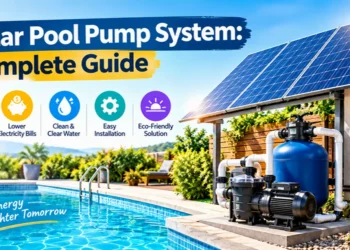

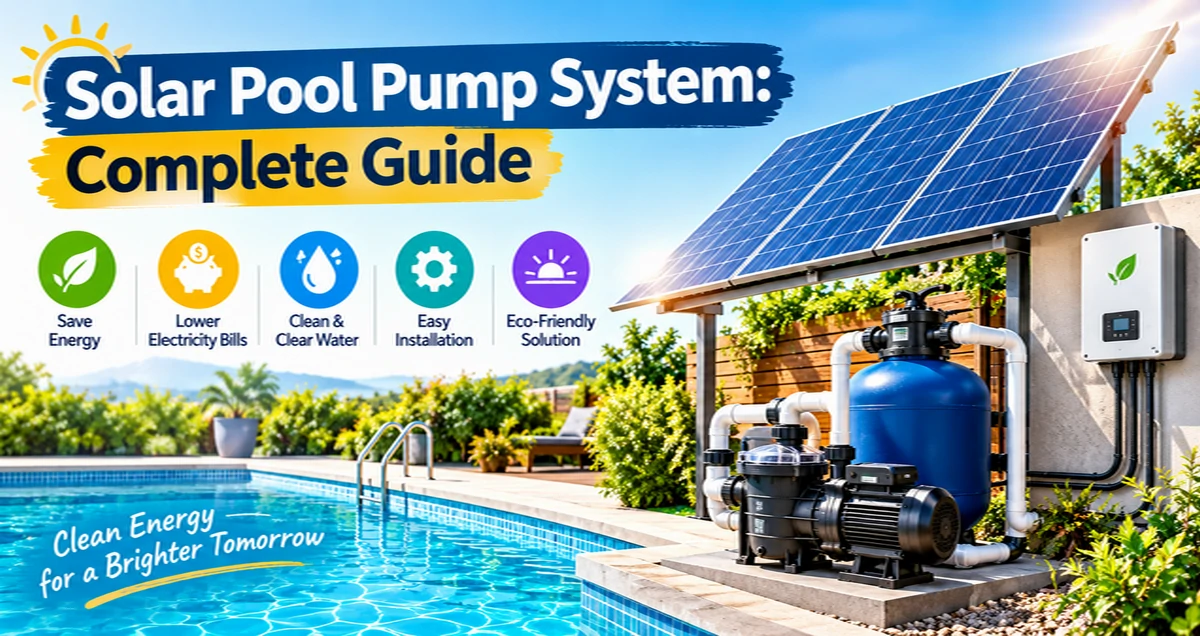
Solar Pool Pump System: Complete Guide to Solar-Powered Pool Circulation
A solar pool pump system can be a smart way to keep your swimming pool clean while using less electricity from the grid. If you enjoy saving money, making your home more efficient, or simply doing things a little differently, this is one pool upgrade worth looking into.
I like the idea of letting sunshine do some of the work around the house. We already use the sun to grow vegetables, dry herbs, and help power different things. So why not use that same sunshine to circulate pool water? Of course, it is not quite as simple as putting a solar panel beside a pump and hoping for the best. You need the right equipment, enough power, and a plan for cloudy days.
In this guide, I’ll walk you through how a solar pool pump works, what equipment you need, how much it may cost, and what to consider before installing one. Lemme show you the practical side, including a few mistakes you can avoid before spending your money.
Quick Takeaways
- A solar pool pump uses electricity from solar panels to circulate and filter pool water.
- A direct solar system can be a good option for daytime pool circulation.
- A grid-connected or hybrid setup can provide more flexibility when sunlight is limited.
- Your pool size, pump power, plumbing, local sunshine, and daily filtration needs all affect system sizing.
- Solar power can reduce operating costs, but the equipment still needs proper installation and maintenance.
What Is a Solar Pool Pump System?
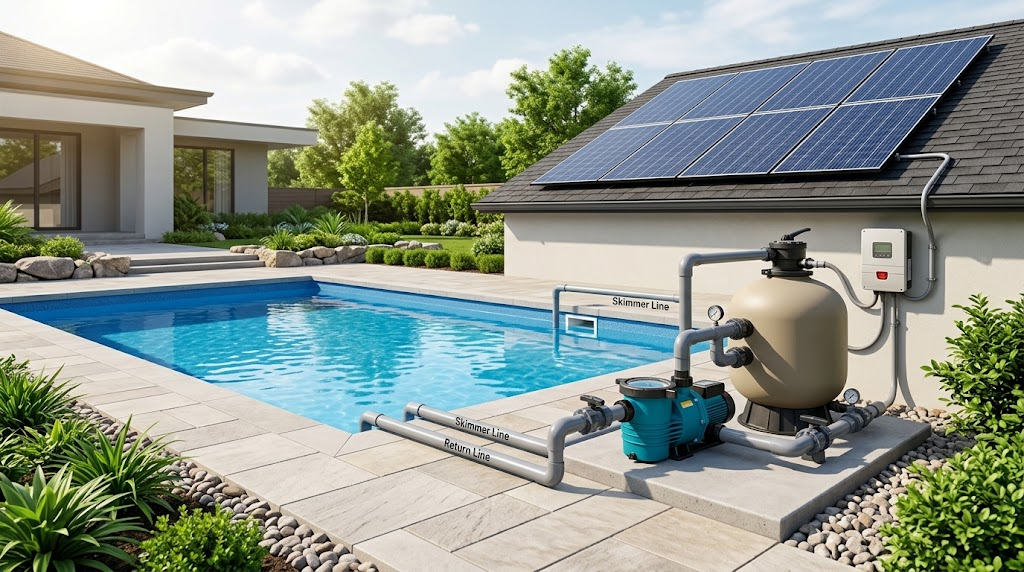
A solar pool pump system uses energy from sunlight to run a pump that moves water through your pool’s filtration system. The pump pulls water from the pool, sends it through the filter, and returns the cleaner water back into the swimming pool.
Related Post

The main difference between a regular pool pump and a solar-powered one is where the electricity comes from. A traditional pump usually runs on grid electricity. A solar pool pump can use electricity generated by photovoltaic panels instead.
Some systems use a dedicated DC solar pump, while others use solar panels with an inverter that supplies power to a compatible AC pump. You can also connect a suitable pump to an existing home solar system, depending on its electrical requirements.
One important thing to understand is that a solar pool pump is not the same as a solar pool heater. A pump circulates water. A solar heating system is designed to increase water temperature. Some swimming pools use both, but they do different jobs.
How Does a Solar Pool Pump Work?
The process is pretty straightforward. Solar panels capture sunlight and convert it into electricity. A suitable controller or inverter manages the power, and the pump uses that electricity to move water through the pool’s plumbing and filter.
Here is how the main components work together:
- Solar panels: They generate electricity when sunlight reaches their surface.
- Controller or inverter: Depending on the system, this equipment manages the power and helps the pump operate correctly.
- Pool pump: It moves water from the pool through the circulation system.
- Filter: It removes dirt, leaves, and other particles from the circulating water.
- Return lines: They send filtered water back into the pool.
When the sun is strong, the panels usually produce more electricity. When clouds roll in, power production may drop. A system designed for direct solar operation may slow down or stop if the available power becomes too low.
That is why you should match the pump and solar array carefully. A cheap pump connected to undersized panels might work nicely for a few hours on a sunny afternoon but struggle during the rest of the day.
Types of Solar Pool Pump Systems
1. Direct DC Solar Pool Pump
A direct DC solar pool pump runs on electricity supplied by compatible solar panels and its required controller. It is often a straightforward option for pools that need water circulation mainly during daylight hours.
One advantage is that the system can be relatively simple, especially when it is designed as a complete package. However, pump performance depends on available sunlight and the equipment’s operating range.
This setup may suit a small pool or a property where daytime filtration is enough. Just make sure the system can deliver the flow your pool requires, rather than choosing it only because the price looks attractive.
2. Solar Panels With an AC Pool Pump
If you already own a compatible AC pool pump, you may be able to run it using electricity from a solar photovoltaic system and a properly sized inverter. This can make sense if your house already has solar panels.
The main thing to check is compatibility. Pool pumps can have significant starting-power requirements, and the inverter must be suitable for the motor and its electrical load. Do not assume that any small solar inverter will handle your existing pump.
3. Hybrid Solar Pool Pump System
A hybrid arrangement can use solar electricity when it is available and grid power when necessary. The exact operation depends on the system design and controls.
This option can provide more consistent filtration during cloudy weather or periods of low sunlight. It may also be useful when the pool needs to run outside the strongest solar hours.
4. Solar Pool Pump With Battery Storage
Battery storage lets you save some solar electricity for later use. In theory, this can help run a pool pump in the evening or when solar production is low.
But here is the catch: batteries add cost, equipment, and maintenance considerations. Pool pumps may operate for several hours every day, so the energy required can add up quickly. Before buying a battery, calculate the pump’s actual daily energy consumption and compare it with the cost of running the pump directly on solar or grid power.
Benefits of Installing a Solar Pool Pump
Lower Electricity Bills
One of the biggest reasons people consider solar pool pumps is the possibility of reducing electricity costs. Pool pumps can run for many hours during the swimming season, so their energy use deserves attention.
When solar electricity replaces power you would otherwise buy from your utility, you may save money. The amount depends on your local electricity rate, solar production, pump efficiency, and how often the system operates.
Less Dependence on Grid Electricity
Using solar power for pool circulation can reduce how much electricity you need from the grid. For homeowners who already have solar panels, running the pump during productive daylight hours may help them use more of their own solar energy.
A Better Fit for Sunny Climates
Solar pool pumping can be especially practical in places with long sunny summers. The pool often needs regular circulation during the same season when solar panels produce plenty of electricity.
Still, do not judge a location by summer sunshine alone. Winter conditions, shade, clouds, and your pool’s operating schedule also matter.
Potentially Simpler Daytime Operation
Some direct solar systems are designed to operate automatically when enough sunlight is available. That can reduce the need to manage the pump manually throughout the day.
Automatic operation does not mean maintenance disappears, though. You still need to inspect the filter, clean the pump basket, and make sure the water is circulating properly.
How Much Does a Solar Pool Pump System Cost?
The cost of a solar pool pump system depends on the type of pump, the size of the solar array, installation labor, electrical work, and any extra equipment you need.
A basic direct solar pump may cost less than a complete system designed to operate a larger residential pool. A setup that includes an inverter, battery storage, new wiring, or extensive plumbing work can cost considerably more.
Rather than trusting a single advertised price, ask for a complete quote that includes the pump, panels, controller or inverter, mounting hardware, wiring, installation, and any required permits.
Do Not Forget the Payback Period
Let’s say your solar pool pump saves you $400 per year in electricity and the installed system costs $2,000. A simple payback calculation gives you five years. That is only an example, not a promised saving. Actual results can be different, and maintenance, repairs, financing, and changes in electricity prices can affect the result.
How to Choose the Right Solar Pool Pump Size
This is where I would slow down and do a little homework before spending money. The biggest solar pump is not always the best one, and the cheapest pump can turn into an expensive mistake if it cannot circulate your pool water properly.
1. Calculate Your Pool Volume
Start by estimating how much water your pool holds. For a rectangular pool, multiply its length by its width and average depth, then apply the appropriate conversion to gallons or liters.
For example, a pool that is 20 feet long, 10 feet wide, and has an average depth of 5 feet holds approximately 7,480 gallons of water. That is a useful starting point, but the correct pump size also depends on your filtration requirements and plumbing.
2. Check the Required Flow Rate
Your pool needs enough water circulation to support its filtration system. The required flow rate depends on pool volume, the desired turnover time, filter limits, and local guidance.
A pool professional can help calculate the flow rate your system needs. Do not choose a pump based on horsepower alone because two pumps with the same horsepower may deliver different flow rates under the same conditions.
3. Consider Plumbing and Total Dynamic Head
Water has to move through pipes, fittings, filters, and other equipment. These components create resistance, which affects pump performance. This is often described using total dynamic head.
If your plumbing is restrictive or the equipment is installed in a challenging layout, a pump may deliver less water than its headline specifications suggest. Check the pump’s performance chart and make sure the filter can safely handle the planned flow.
4. Match the Solar Panels to the Pump
The solar array must provide enough usable power for the pump under real operating conditions. Panel output changes with sunlight, temperature, orientation, shading, and other factors.
Follow the pump manufacturer’s recommended panel wattage, voltage, controller requirements, and wiring specifications. A qualified installer can also estimate how many operating hours you can reasonably expect during different seasons.
Can a Solar Pool Pump Run on Cloudy Days?
Yes, some systems can continue operating when it is cloudy, but their performance may decrease. Solar panels can produce electricity in diffuse daylight, although usually less than they produce under strong direct sunlight.
A direct solar pump may slow down or stop when the available power falls below its operating requirements. A hybrid system can use grid power when configured to do so, while a battery-supported system may use stored energy if it has enough capacity.
For a pool that must maintain consistent circulation regardless of the weather, consider a properly designed hybrid system or another reliable backup arrangement. Do not rely on a small battery or an undersized solar array without checking whether it can meet the pump’s energy needs.
Installation and Maintenance Tips
A solar pool pump does not need to be complicated, but the installation deserves care. Electricity and swimming pools are a combination where shortcuts are not worth the risk.
- Choose a sunny panel location: Avoid shade from trees, fences, chimneys, and nearby buildings whenever possible.
- Use suitable mounting hardware: Solar panels must be secured correctly for local wind and weather conditions.
- Protect electrical equipment: Use the required grounding, bonding, overcurrent protection, and weather-rated equipment according to applicable electrical codes.
- Check the pump basket: Remove leaves and debris regularly to help maintain water flow.
- Clean the filter: Follow the filter manufacturer’s cleaning and pressure guidelines.
- Inspect the plumbing: Watch for leaks, unusual noises, and reduced circulation.
- Monitor solar performance: If the pump suddenly runs less often, check for panel shading, dirt, controller warnings, or other faults.
- Prepare for seasonal changes: Adjust the operating schedule when sunlight, pool use, or local weather changes.
For electrical work near a swimming pool, use a qualified professional who understands local pool and solar electrical requirements. Never work on energized wiring, and never assume that a solar-powered system is safe to touch simply because its panels are not connected to the utility grid.
Common Solar Pool Pump Mistakes to Avoid
There are a few mistakes that can make a good solar pool pump project more expensive than it needs to be.
Buying Panels Before Choosing the Pump
Start with the pool’s circulation requirements and select a suitable pump. Then size the solar panels and controller around that pump. Buying random panels first can leave you with equipment that does not work together.
Ignoring Shade
A solar panel installation may look perfect in the morning but sit in the shadow of a tree during the afternoon. Observe the location at different times of day before deciding where the panels will go.
Expecting Free Electricity
Solar energy can lower running costs, but the system itself is not free. Panels, mounting equipment, wiring, controllers, pumps, and occasional repairs all contribute to the total cost. Calculate the likely savings before making a purchase.
Running the Pump for Too Few Hours
Saving electricity is good, but cutting filtration time too much can hurt water quality. Follow your pool equipment instructions and maintain suitable circulation, filtration, and water chemistry. If the solar pump cannot meet your needs during cloudy periods, consider a backup plan.
Is a Solar Pool Pump System Worth It?
For many pool owners, a solar pool pump system can be worth considering, especially when the pool gets plenty of sunshine and the pump uses a significant amount of electricity. It may be particularly attractive if you already have solar panels or can run the pump during the hours when your panels produce the most power.
However, it is not automatically the cheapest choice for every pool. A small pool with low pumping needs has different requirements from a large pool with long circulation hours, a complicated plumbing system, or extra water features.
Before making your decision, compare the complete installed cost, estimated annual energy savings, required maintenance, and expected equipment life. If the payback period is reasonable and the system meets your filtration needs, solar pumping may be a practical long-term improvement.
Frequently Asked Questions
How many solar panels do I need for a pool pump?
There is no single answer for every pool. The number of panels depends on the pump’s power requirements, operating hours, panel wattage, local sunlight, and system losses. Follow the manufacturer’s sizing guidance and have the full system checked before installation.
Can I connect solar panels to my existing pool pump?
Possibly. If your existing pump is compatible with a suitable solar power system and inverter, it may be possible to use solar electricity to run it. Check the pump’s electrical specifications, starting-power requirements, and inverter compatibility before purchasing equipment.
Does a solar pool pump work at night?
A direct solar pump normally cannot operate at night without another power source. A suitable battery system or grid-connected arrangement can provide electricity after sunset, depending on its design and capacity.
Final Thoughts on a Solar Pool Pump System
A solar pool pump system can be a useful upgrade if you want to reduce grid electricity use without sacrificing proper pool circulation. The key is to size the pump correctly, choose compatible solar equipment, account for cloudy weather, and calculate your expected savings before spending money.
My advice is simple: take your time, compare a few complete systems, and do not buy equipment just because it promises huge savings. A well-planned setup will serve you much better than a cheap system that cannot keep the water moving when you need it most.
If you’re planning a more energy-efficient home, take a look at your other electricity needs, too. Sometimes the best results come from combining several small improvements instead of trying to solve everything with one big purchase. And if you have experience with a solar pool pump, share what worked for you and what you would do differently. We can all learn something from a little real-world experience.