
Solar panels have become one of the most popular ways for homeowners to reduce electricity costs and generate their own energy. But in 2026, many homeowners are asking an important question: Are solar panels still worth the investment?
For many homes, the answer can be yes—but it depends on electricity prices, sunlight, roof condition, system size, installation costs, financing, and available incentives.
Recent 2026 estimates show that the average U.S. solar shopper can expect to spend roughly $29,000 a $31,000 for a residential system before applicable incentives, although actual prices vary considerably by location and system size.
What Are Solar Panels?
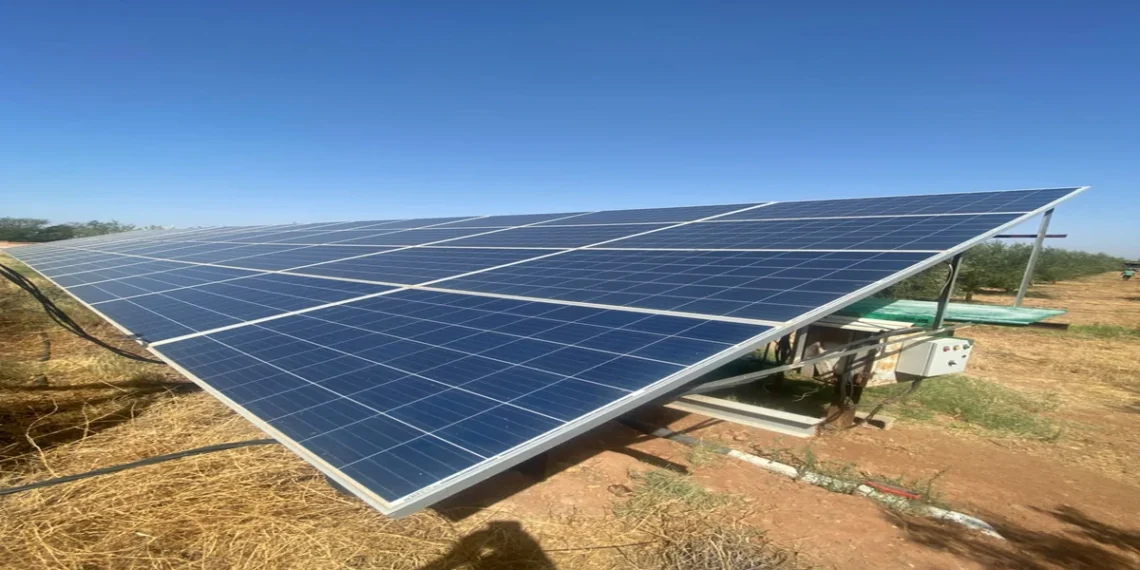
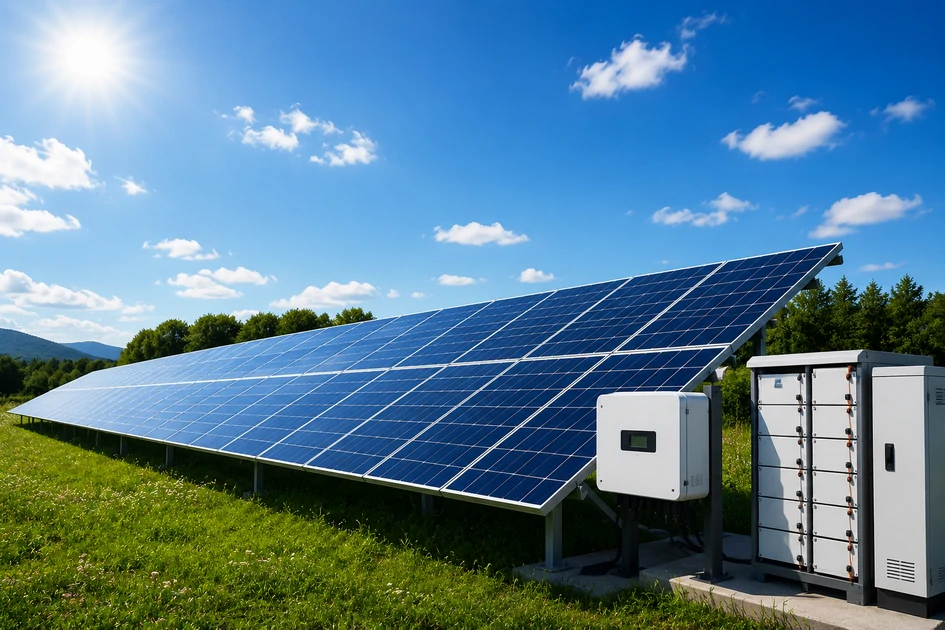
Solar panels are devices that convert sunlight into electricity. When sunlight hits photovoltaic cells inside a panel, the cells generate direct-current electricity.
A typical home solar system includes more than just the panels. It can also include:
- Solar panels
- An inverter
- Roof mounting equipment
- Electrical equipment
- Monitoring hardware
- Optional battery storage
The inverter is particularly important because it converts the electricity generated by the panels into electricity that household appliances can use.
Are Solar Panels Worth It in 2026?
For many homeowners, solar panels can still be a worthwhile long-term investment.
EnergySage estimates that the average solar shopper can save tens of thousands of dollars over the lifetime of a system, with typical payback occurring around 10 years. Actual results vary based on electricity rates, installation costs, energy consumption, financing and local incentives.
The biggest advantage is simple: every kilowatt-hour produced by your solar system is electricity you don’t have to purchase from the grid.
However, solar isn’t automatically the best choice for every property.
A heavily shaded roof, low electricity consumption, expensive financing or unfavorable utility compensation can significantly change the economics.
How Much Do Solar Panels Cost in 2026?
The price of a solar system depends mainly on its size, equipment, installation complexity and location.
EnergySage reported an average quoted cost of about $2.59 per watt in its 2026 data. Its typical quoted system size was approximately 12 kW, putting the system cost at roughly $31,135 before incentives.
Other 2026 EnergySage data puts the average installation around $29,000, demonstrating why homeowners should compare several current quotes rather than relying on a single national average.
What Determines Your Solar Cost?
Several factors influence the final price:
- System size – Larger homes or homes with higher electricity consumption generally need more solar capacity.
- Roof design – Complex roofs can increase labor and installation costs.
- Panel technology – Different panels have different efficiency and warranty characteristics.
- Inverter type – String inverters, microinverters and other configurations can have different costs.
- Battery storage – Adding a battery can substantially increase the initial investment.
- Local labor costs – Installation prices vary by market.
- Permits and electrical work – Local requirements can affect the total project cost.
How Much Can Solar Panels Save?
Solar savings are highly individual.
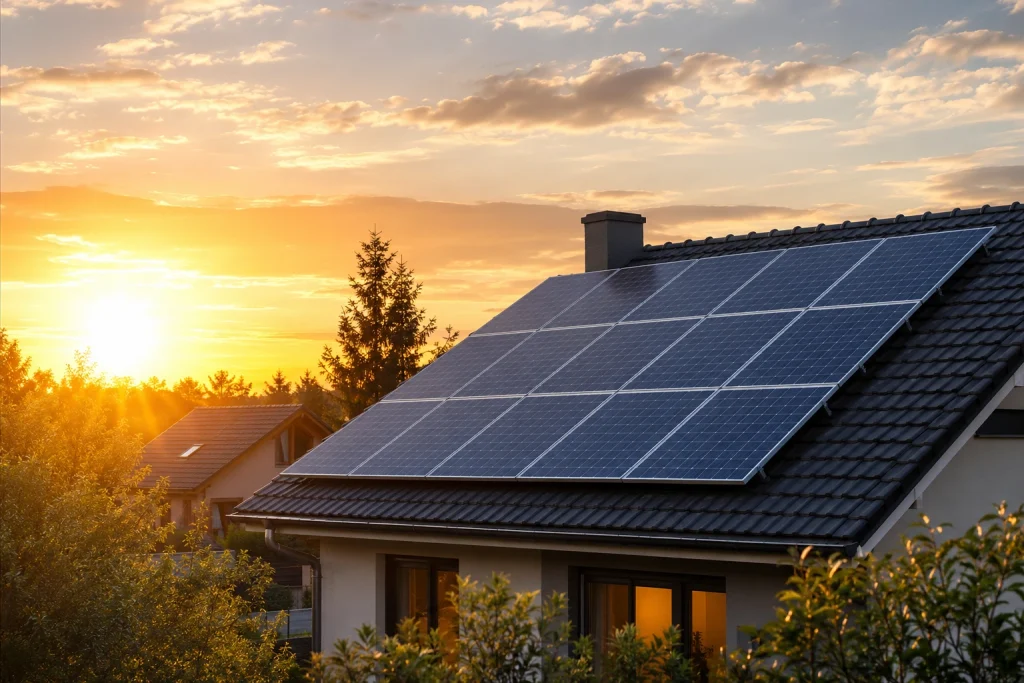
EnergySage’s 2026 analysis estimates average lifetime electricity savings of around $60,500 over 25 years, although individual estimates can range substantially depending on location, electricity rates and system economics.
A homeowner paying $200 per month for electricity has a very different solar opportunity than someone paying $50.
Electricity rates also matter. The more expensive grid electricity becomes, the greater the potential value of producing your own electricity.
What About the Solar Payback Period?
The solar payback period is the amount of time required for your cumulative energy savings to recover the initial investment.
A simple calculation is:
Solar system cost ÷ annual electricity savings = approximate payback period
For example, if a system costs $25,000 and saves $2,500 per year, the simple payback period would be approximately 10 years.
EnergySage reports an average payback period of about 10 years for its solar shoppers, but some systems pay back faster while others take longer.
Do Solar Panels Work on Cloudy Days?
Yes.
Solar panels don’t require direct, bright sunshine every minute to generate electricity. They can produce energy under cloudy conditions, although production is generally lower than on a sunny day.
This is one reason location matters when calculating a solar system’s expected production.
A professional installer should evaluate:
- Roof orientation
- Roof pitch
- Local climate
- Shading
- Annual sunlight
- Historical electricity consumption
Do You Need a Battery With Solar Panels?
No. A battery is optional for many residential solar systems.
Without a battery, your home can use solar electricity while the panels are producing energy. Depending on your utility arrangement, excess electricity may be exported to the grid for compensation or credits.
A battery allows you to store some excess electricity and use it later, such as at night.
Solar Panels vs. Solar Panels + Battery
Solar panels only:
- Lower upfront cost
- Simpler installation
- Can significantly reduce electricity purchases
- Dependence on the grid remains
Solar panels + battery:
- Higher upfront cost
- Stores excess solar energy
- Can provide greater energy independence
- May be useful during grid outages, depending on system configuration
Whether a battery makes financial sense depends heavily on local electricity rates, utility rules and the value you place on backup power.
What Is the Lifespan of Solar Panels?
Modern solar panels are designed to operate for decades.
Many residential systems are evaluated over a 25-year period, and some systems can continue producing electricity beyond that point, although output gradually decreases over time.
When comparing panels, don’t look only at the purchase price.
Consider:
- Product warranty
- Performance warranty
- Efficiency
- Manufacturer reputation
- Expected degradation
- Installer warranty
A slightly more expensive system can sometimes provide better long-term value if the equipment and installation are higher quality.
What Are the Biggest Benefits of Solar Panels?
1. Lower Electricity Bills
The most obvious benefit is reducing the amount of electricity you need to purchase from your utility.
2. Greater Energy Independence
Generating electricity at home can reduce your dependence on the traditional electricity grid.
3. Long-Term Savings
Although installation requires an upfront investment, a properly designed system can generate electricity for decades.
4. Renewable Energy
Solar energy produces electricity without the direct combustion of fossil fuels at the point of generation.
5. Potential Property Value Benefits
A professionally installed solar system can be an attractive feature for some buyers, although the effect on property value depends on the local housing market and whether the system is owned, financed or leased.
What Are the Disadvantages of Solar Panels?
Solar panels aren’t perfect for every homeowner.
High Initial Cost
Even though solar prices have fallen substantially over the long term, a complete residential system can still require a significant investment.
Roof Limitations
A roof with heavy shade, limited usable space or structural problems may not be ideal for solar.
Financing Costs
A solar loan can make installation more accessible, but interest and financing fees affect your overall return.
Maintenance and Repairs
Solar systems generally require relatively little maintenance, but inverters, wiring and other components can eventually need servicing or replacement.
Utility Rules Matter
The financial value of excess electricity depends on your utility’s rules. Net metering and other compensation programs vary by location.
How Many Solar Panels Does a Home Need?
There is no single number that works for every house.
The required number depends on:
- Annual electricity consumption
- Panel wattage
- Roof space
- Sunlight availability
- System losses
- Desired percentage of electricity offset
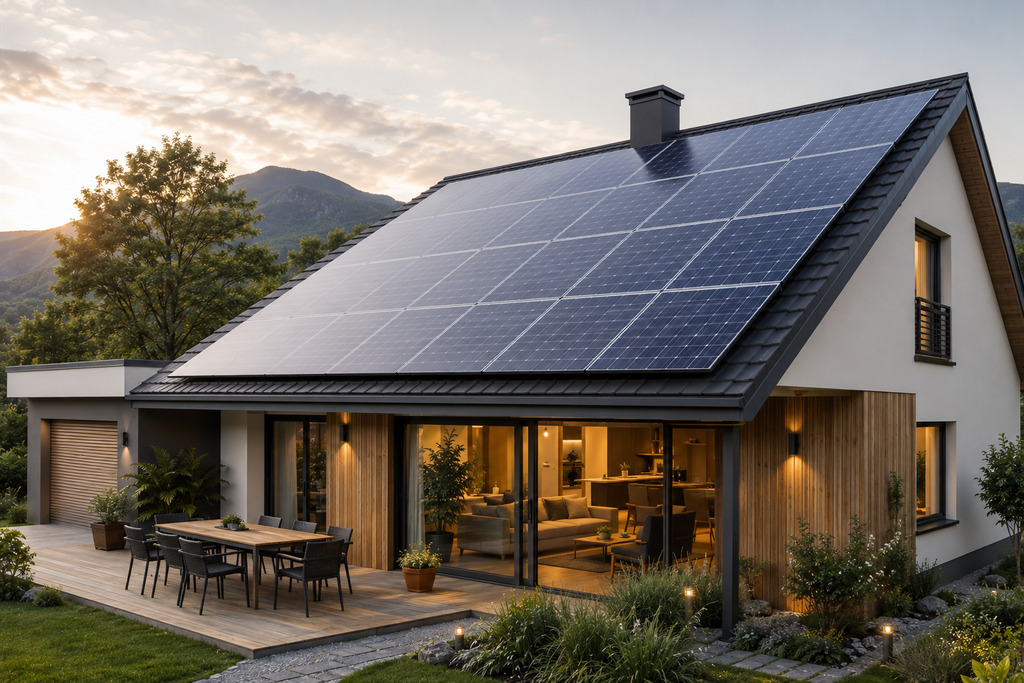
For example, a home using significantly more electricity may require a larger system than a smaller, energy-efficient property.
The best approach is to start with your 12-month electricity consumption, rather than choosing a system based solely on the size of your house.
How to Choose the Right Solar Panels
Don’t choose solar panels based only on the highest efficiency rating or the lowest price.
Before signing a contract, compare:
Panel Efficiency
Higher-efficiency panels can generate more electricity from limited roof space.
Warranty
Check both the product warranty and performance warranty.
Installer Reputation
The quality of installation can be just as important as the panel itself.
Inverter Technology
The inverter is a critical component of the system. Ask which inverter will be installed and what warranty applies.
Total Installed Price
Compare the complete project cost—not simply the price of the panels.
Expected Annual Production
Ask the installer for a realistic estimate of how much electricity the system should generate each year.
Should You Buy or Lease Solar Panels?
Homeowners generally encounter several financing options:
- Cash purchase
- Solar loan
- Solar lease
- Power purchase agreement (PPA)
A cash purchase can provide the greatest direct ownership benefits but requires more money upfront.
A loan spreads the cost over time, while leases and PPAs can reduce upfront expenses but work differently because you may not own the equipment.
EnergySage recommends comparing financing options carefully because the way you pay for solar can substantially affect your long-term savings.
What Solar Incentives Are Available?
Solar incentives depend on the country, state, local government and utility.
For U.S. homeowners, it’s especially important to verify current federal rules rather than relying on older solar articles.
The IRS currently states that the federal Residential Clean Energy Credit applies to qualifying property installed from 2022 through December 31, 2025, and is not available for property placed in service after December 31, 2025.
State, local and utility incentives may still exist, so homeowners should check current programs in their area before making a purchase.
How to Get the Best Solar Deal
If you’re considering solar panels, don’t accept the first quote automatically.
Instead:
Step 1: Review your electricity bills from the last 12 months.
Step 2: Check whether your roof is suitable for solar.
Step 3: Get several quotes from qualified installers.
Step 4: Compare system size and expected annual production.
Step 5: Compare warranties.
Step 6: Review financing terms carefully.
Step 7: Check local utility rules and incentives.
Step 8: Calculate the estimated payback period.
Step 9: Read the contract before signing.
Getting multiple quotes can help homeowners identify unusually high installation prices and understand what equipment is actually included.
Are Solar Panels a Good Investment in 2026?
For the right home, solar panels can be an excellent long-term investment.
The strongest candidates are usually homeowners who:
- Own their property
- Have a suitable roof
- Receive substantial sunlight
- Have relatively high electricity costs
- Plan to remain in the home for several years
- Can obtain reasonable installation and financing terms
Solar may be less attractive when a property has heavy shade, very low electricity consumption, a poor roof, or unfavorable local utility compensation.
The key isn’t simply asking “Are solar panels worth it?”
The better question is:
“Will solar panels produce enough value for my specific home to justify the total cost?”
Frequently Asked Questions About Solar Panels
How much do solar panels cost in 2026?
In the U.S., current 2026 estimates vary by system size and location. EnergySage reports an average quoted price of about $2.59 per watt and a typical system cost around $31,135 before incentives, while other 2026 marketplace data places average installations closer to $29,000.
How long does it take for solar panels to pay for themselves?
The average EnergySage solar shopper reaches the break-even point in approximately 10 years, although individual payback periods can be considerably shorter or longer.
Do solar panels work during winter?
Yes. Solar panels can generate electricity during winter, although production depends on daylight hours, weather, snow coverage and the system’s location.
Do solar panels work at night?
No. Solar panels require light to generate electricity. Homes can use grid electricity or stored battery energy at night.
Are solar panels worth it for a small house?
They can be. A small home may require a smaller and less expensive system, but the economics still depend on electricity consumption, roof conditions, local electricity prices and installation costs.
Do solar panels increase electricity independence?
They can reduce dependence on grid electricity. Adding battery storage can provide additional energy independence, particularly when the system is designed for backup operation.
How long do solar panels last?
Many residential solar systems are designed around 25-year performance expectations, and panels can continue producing electricity beyond that period, although output gradually declines over time.
Final Verdict: Are Solar Panels Worth It?
Solar panels can still be worth it in 2026 but there is no universal answer.
The best solar investment is not necessarily the system with the cheapest panels. It’s the system that combines a suitable roof, reliable equipment, professional installation, reasonable financing and strong long-term energy savings.
Before buying, compare multiple quotes and calculate your expected payback period using your actual electricity consumption and local utility rates.
For many homeowners, solar can turn an unused roof into a long-term source of electricity and potentially save thousands of dollars over the life of the system.