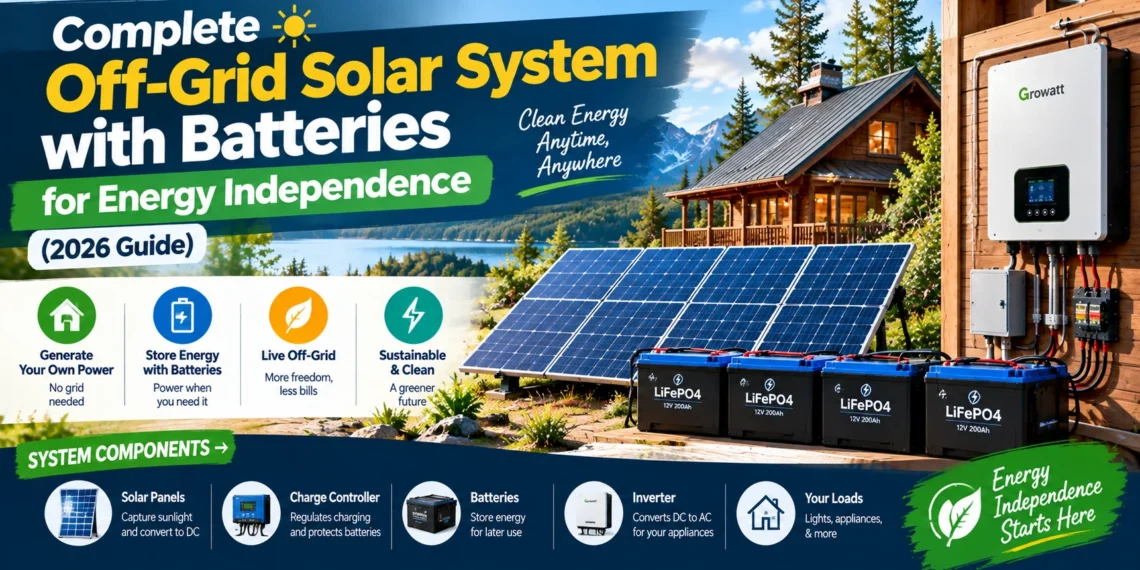

If you want to store solar energy and keep essential appliances running during a power outage, a home battery can be one of the most useful additions to a solar system.
But there is an important distinction between a DIY-friendly battery setup and a battery that you should physically wire into your home’s electrical system yourself. High-voltage and grid-connected battery installations can involve serious electrical and fire-safety risks and may require licensed installation, permits, inspections, and utility approval. Current guidance from energy authorities also emphasizes that backup capability must be specifically designed into the system; a normal grid-connected solar system usually shuts down during an outage for safety.
This guide explains how to choose the best DIY solar battery storage system for home backup in 2026, what battery capacity you actually need, which features matter, and where DIY installation makes sense.
Safety note: This article is for education, not a wiring guide. Don’t open, modify, build, or directly connect a high-voltage lithium battery pack yourself. For a grid-connected home system, use equipment approved for your location and a qualified electrician/installer.
What Is a Solar Battery Storage System?
A solar battery stores electricity generated by your solar panels so you can use that energy later.
Related Post
During the day:
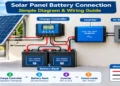
Solar panels → inverter → home + battery
At night or during an outage:
Battery → inverter → selected home loads
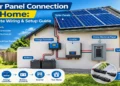
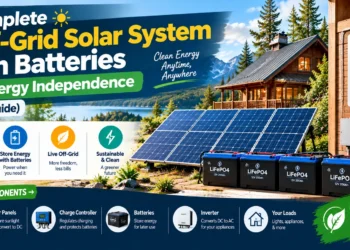
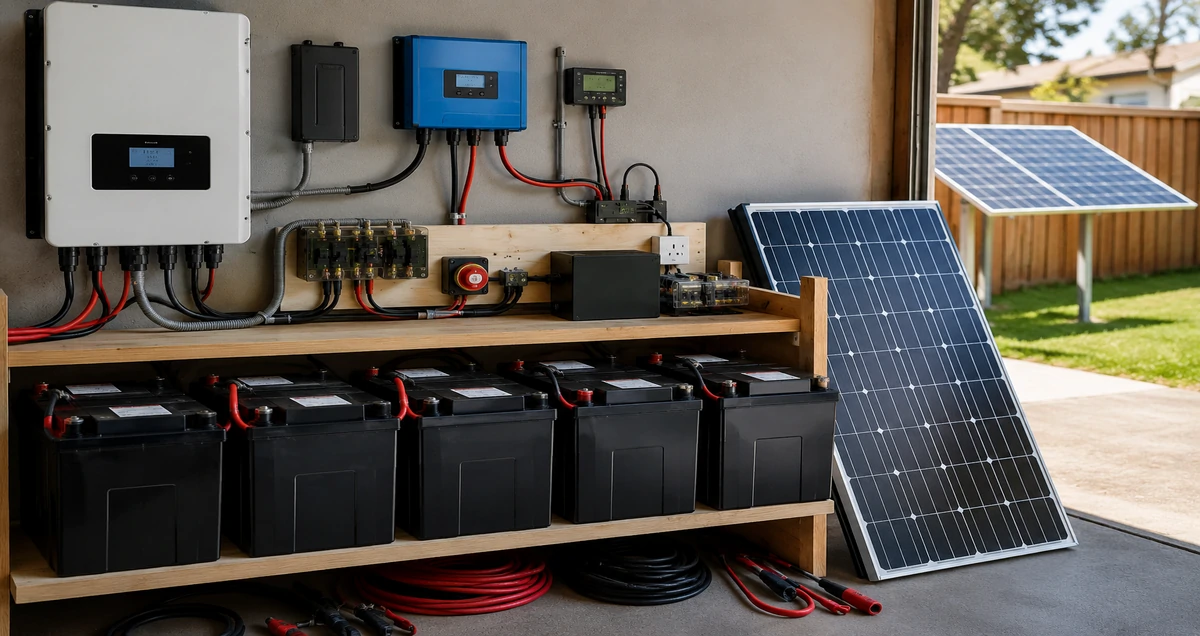
A complete backup system may include:
- Solar panels
- Battery storage
- Hybrid or battery inverter
- Battery management system
- Backup gateway or transfer equipment
- Monitoring system
- Electrical protection equipment
- Appropriate wiring and disconnects
The exact configuration depends on the equipment and whether you want to power only essential circuits or the entire house.
Why Add a Battery to Your Solar System?
Solar panels generate the most electricity when the sun is available. Without storage, unused electricity may be exported to the grid depending on local rules.
A battery allows excess solar energy to be stored for later use.
1. Backup During Power Outages
A properly configured battery can provide backup electricity during an outage.
However, not every solar battery automatically provides backup power. The system must be designed and configured for backup operation.
2. Use More of Your Own Solar Energy
Instead of exporting excess electricity during the day, you can store some of it and use it after sunset.
3. Reduce Grid Dependence
A larger battery can potentially reduce the amount of electricity you purchase from the grid.
4. Protect Essential Appliances
A backup system can be configured to prioritize important loads such as:
- Refrigerator
- Internet router
- Lights
- Security systems
- Medical equipment where appropriate
- Garage door
- Small electronics
What Is the Best DIY Solar Battery System in 2026?
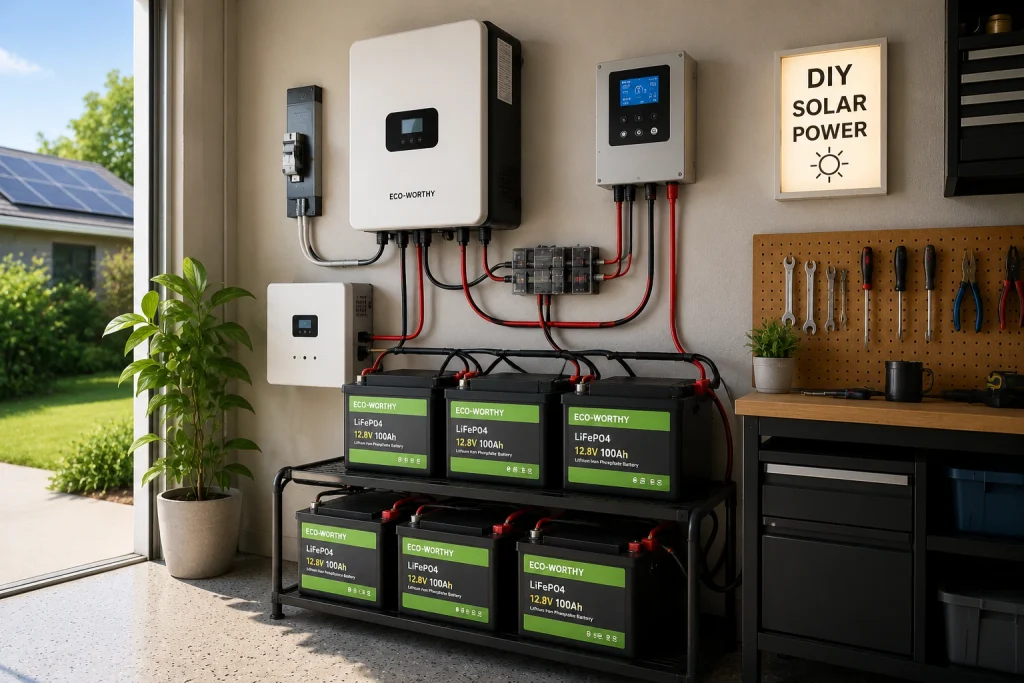
There isn’t one battery that is best for every home.
The right choice depends on whether you want:
| Goal | Best approach |
|---|---|
| Emergency backup | Portable or modular battery system |
| Solar self-consumption | Home battery + compatible inverter |
| Whole-home backup | Professionally designed battery system |
| Off-grid living | Larger battery + solar + appropriate inverter |
| Simple setup | Pre-engineered battery system |
| Maximum flexibility | Modular expandable system |
For most homeowners, the safest interpretation of DIY solar battery storage is a pre-engineered, modular system that minimizes complicated electrical work, rather than building a high-voltage battery from individual cells.
DIY vs. Professional Solar Battery Installation
This is one of the most important decisions.
DIY-Friendly Tasks
Depending on the product and local regulations, homeowners may be able to handle tasks such as:
- Choosing where equipment will be located
- Monitoring battery performance
- Configuring an approved app
- Connecting certain portable power stations
- Adding compatible solar accessories
- Managing energy usage
Work That May Require a Professional
Homeowners generally should not improvise with:
- High-voltage battery wiring
- Main electrical-panel modifications
- Grid connections
- Transfer switches
- Permanent AC wiring
- Battery protection circuits
- Structural battery mounting
- Utility interconnection
Battery installation rules can specify where a battery may be installed, required clearances, mounting requirements, and other safety conditions.
How Much Battery Storage Does a Home Need?
Don’t buy a battery simply because it has a large capacity.
First calculate what you actually want to keep running.
For example:
| Appliance | Approximate priority |
|---|---|
| Refrigerator | High |
| Internet router | High |
| LED lighting | High |
| Security system | High |
| Television | Medium |
| Computer | Medium |
| Microwave | Medium |
| Air conditioner | High energy demand |
| Electric water heater | Very high energy demand |
| Electric vehicle charger | Very high energy demand |
The exact energy consumption varies significantly by appliance.
A Simple Calculation
Suppose your essential appliances consume an average of 1 kW and you want approximately 8 hours of backup.
The basic energy requirement would be:
1 kW × 8 hours = 8 kWh
You would then need to account for inverter losses, battery reserve, temperature, battery limits, and other system factors.
So an 8 kWh usable requirement does not necessarily mean buying an 8 kWh nominal battery.
Usable Capacity vs. Battery Capacity
This is an important specification that many buyers overlook.
A battery might advertise a particular total capacity, but the amount of energy actually available to your home can be lower.
When comparing batteries, look for:
- Total capacity
- Usable capacity
- Continuous output
- Peak output
- Round-trip efficiency
- Recommended operating temperature
- Warranty
- Expected cycle life
Battery Power vs. Battery Capacity
These are different.
Capacity tells you how much energy the battery can store.
It is usually expressed in kWh.
Power tells you how quickly the battery can deliver electricity.
It is usually expressed in kW.
For example, a battery could have plenty of energy capacity but still struggle to start a high-power appliance if its inverter cannot provide enough output.
That’s why you should consider both kWh and kW.
Lithium Iron Phosphate Batteries: Are They Good for Home Storage?
Many modern home energy systems use lithium iron phosphate, commonly called LFP or LiFePO₄ batteries.
They are popular because of characteristics including:
- Long cycle life
- Good thermal characteristics
- No cobalt in the cathode chemistry
- Strong suitability for stationary energy storage
However, the chemistry alone does not make a system safe.
The complete system matters, including:
- Battery management system
- Inverter
- Enclosure
- Thermal management
- Protection equipment
- Installation
- Certification
- Operating environment
Where Should You Put a Home Battery?
Battery location is extremely important.
Consider:
- Temperature
- Moisture
- Ventilation requirements
- Distance from doors and windows
- Protection from physical damage
- Manufacturer installation requirements
- Local building and electrical rules
Heat can be particularly important for battery systems. Recent battery guidance and field reporting have highlighted the importance of managing battery temperature during hot conditions.
Never install a battery in a location simply because it is convenient. Follow the manufacturer’s specified installation environment and local requirements.
Can a Solar Battery Run Your Whole House?
Sometimes, but not always.
A system can be configured for:
Essential Loads Backup
Only selected circuits remain powered.
This can be cheaper and more practical.
For example:
- Refrigerator
- Lights
- Internet
- Security
- Selected outlets
Whole-Home Backup
A larger system can potentially power more of the home.
However, whole-home backup requires sufficient:
- Battery capacity
- Inverter power
- Electrical infrastructure
- Backup equipment
Large loads such as air conditioners, electric heating, ovens, water heaters, and EV chargers can dramatically increase battery requirements.
Can Solar Panels Charge the Battery During an Outage?
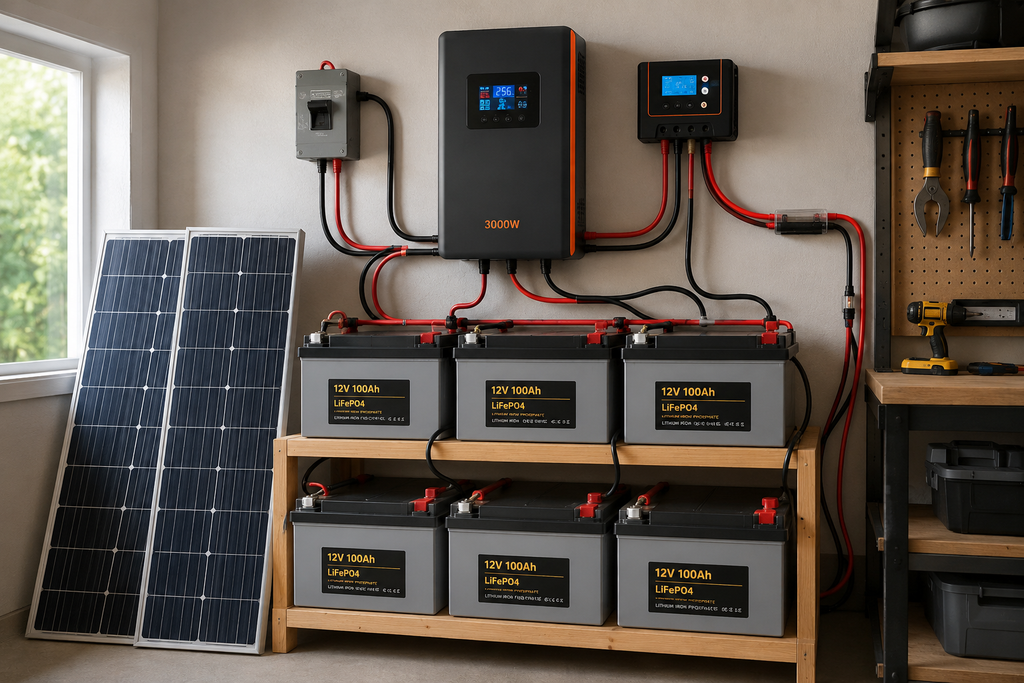
Potentially, yes — but the system must be designed for it.
Some islandable solar-and-battery systems can disconnect from the grid and continue operating while solar panels recharge the battery. Other systems may only provide battery backup until the battery is depleted.
This is one of the biggest differences between a simple backup battery and a properly integrated solar-plus-storage system.
AC-Coupled vs. DC-Coupled Battery Storage
AC-Coupled System
An AC-coupled system generally uses separate solar and battery inverters.
This can be useful when adding a battery to an existing solar installation.
DC-Coupled System
A DC-coupled system can use a hybrid inverter to manage solar and battery energy.
It can be particularly attractive when installing solar and battery storage together.
The best configuration depends on your existing equipment and the system you’re designing.
What Features Should You Look For?
Before buying a DIY-friendly solar battery, compare these specifications.
1. Usable Capacity
How many kWh can actually be delivered?
2. Continuous Output
Can the inverter power your essential appliances simultaneously?
3. Surge Capacity
Can it handle appliances that require extra power when starting?
4. Expandability
Can you add additional battery modules later?
5. Inverter Compatibility
Will it work with your existing solar system?
6. Backup Capability
Does the system actually support automatic backup?
7. Monitoring
Can you monitor:
- Battery percentage
- Solar production
- Home consumption
- Grid usage
- Battery charging
- Battery discharge
8. Warranty
Compare:
- Years
- Cycle limits
- Throughput limits
- Capacity retention
- Conditions
9. Safety Certifications
Look for equipment approved and certified for your country and installation type.
Best Types of DIY Solar Battery Systems
Rather than naming one universal winner, these categories are more useful.
Best for Beginners: Portable Solar Battery
Portable power stations are generally the simplest way to experiment with battery backup.
They can be useful for:
- Internet equipment
- Phones
- Laptops
- Lights
- Small appliances
- Emergency charging
They usually aren’t a replacement for a professionally installed whole-home battery.
Best for Expandability: Modular Home Battery
A modular system allows additional battery capacity to be added as your energy needs grow.
This can be useful if you want to start smaller and expand later.
Best for Existing Solar: AC-Coupled Battery
If you already have solar panels and an inverter, an AC-coupled system may be an option.
The compatibility of the existing inverter and the new battery system must be checked before purchase.
Best for New Solar Installations: Hybrid Inverter + Battery
If you’re installing solar and storage at the same time, a compatible hybrid inverter can simplify system architecture.
How Much Does Home Battery Storage Cost?
There is no universal 2026 price.
The total cost depends on:
- Battery capacity
- Inverter
- Backup equipment
- Installation
- Electrical upgrades
- Permits
- Location
- Labor
- Solar integration
- Monitoring
- Financing
Don’t compare batteries based solely on their advertised price.
Instead, compare:
Total installed cost ÷ usable battery capacity
This gives you a more meaningful starting point for comparing systems.
Is a Home Battery Worth It in 2026?
A battery can make sense if you:
- Experience frequent power outages
- Have high electricity prices
- Want backup power
- Have excess solar production
- Want to increase solar self-consumption
- Value energy independence
But a battery isn’t automatically financially worthwhile for everyone.
Government energy guidance specifically notes that, for some homes and businesses, the cost of a battery can outweigh its financial benefits.
The best decision depends on your electricity rates, solar production, battery cost, outage frequency, and local incentives.
Common Solar Battery Buying Mistakes
Buying Too Much Capacity
A huge battery can be expensive if your household doesn’t need it.
Ignoring Inverter Power
A battery with high kWh capacity may still have insufficient kW output for your appliances.
Assuming Every Battery Provides Backup
Backup capability must be specifically supported and configured.
Installing in a Bad Location
Heat and unsuitable environments can negatively affect battery performance and longevity.
Ignoring Local Regulations
Electrical and building requirements vary by location.
Choosing Only by Price
The cheapest battery isn’t necessarily the best long-term value.
A Better Way to Build a DIY Solar Backup System
For most homeowners, the safest strategy is:
Step 1: Calculate your essential loads.
Step 2: Determine how many hours of backup you want.
Step 3: Calculate required usable kWh.
Step 4: Determine required inverter output in kW.
Step 5: Check compatibility with your solar system.
Step 6: Choose certified equipment appropriate for your location.
Step 7: Confirm installation requirements.
Step 8: Have permanent electrical work completed by a qualified professional where required.
Step 9: Test the backup system before an emergency occurs.
This approach gives you the flexibility of DIY planning without treating high-energy electrical equipment like a simple plug-and-play gadget.
Frequently Asked Questions
What is the best DIY solar battery for home backup in 2026?
There isn’t one best battery for every home. The best choice depends on capacity, power output, solar compatibility, backup capability, warranty, safety certifications, budget, and local installation requirements.
Can I install a home solar battery myself?
Some portable and low-complexity systems may be designed for user installation. Permanent home battery systems connected to your electrical panel can require professional installation, permits, inspections, and utility approval.
How many kWh do I need for home backup?
It depends on the appliances you want to operate and the duration of the outage. Calculate your essential loads in kW and multiply by the desired backup time in hours, then account for system losses and battery reserve.
Can a battery power a refrigerator during a blackout?
Yes, if the battery and inverter provide sufficient continuous and startup power. Refrigerators have motors that can require additional power when starting.
Can a solar battery work without solar panels?
Yes. Some batteries can charge from the grid or another AC source, depending on the system. However, solar panels can provide an important source of energy during extended outages when the system is designed to operate in island mode.
Can solar panels charge a battery during a blackout?
Some properly configured solar-plus-storage systems can continue charging from solar during an outage. Others cannot. The system needs appropriate islanding and backup functionality.
Is LiFePO₄ good for home battery storage?
LFP batteries are widely used for stationary energy storage, but the complete battery system, including its management and protection systems, is more important than chemistry alone.
How long can a solar battery power a house?
It depends on battery capacity and household consumption. A battery powering a few essential appliances can last considerably longer than the same battery powering an entire house.
Final Verdict
The best DIY solar battery storage system for home backup in 2026 isn’t necessarily the biggest or cheapest battery.
The best system is the one that matches your actual energy needs while providing appropriate safety, compatibility, backup functionality, and long-term value.
For simple emergency power, a portable battery can be an accessible starting point. For a permanent whole-home solar backup system, a professionally installed modular battery system is generally the more appropriate route.
The smartest strategy is to calculate your essential loads first, determine the required battery capacity and inverter power, compare compatible systems, and verify local requirements before buying.
And remember: DIY planning is very different from DIY high-voltage electrical installation. A battery connected to a home’s electrical system should be treated as serious electrical equipment, not a weekend wiring project.