
Install PV Panels: Complete Guide to Solar Panel Installation, Cost, Safety & Savings
Installing PV panels is one of the most popular ways to generate electricity from sunlight. Whether you’re looking to reduce your electricity bills, increase your energy independence, or make better use of renewable energy, a properly designed photovoltaic (PV) system can be a long-term investment.
But installing solar panels is more than simply placing panels on a roof. System size, roof condition, sunlight, electrical equipment, permits, installation quality, and local utility rules all matter.
This guide explains how PV panels are installed, what they cost, what equipment you need, how much energy they can produce, and what to check before hiring an installer.
Related Post
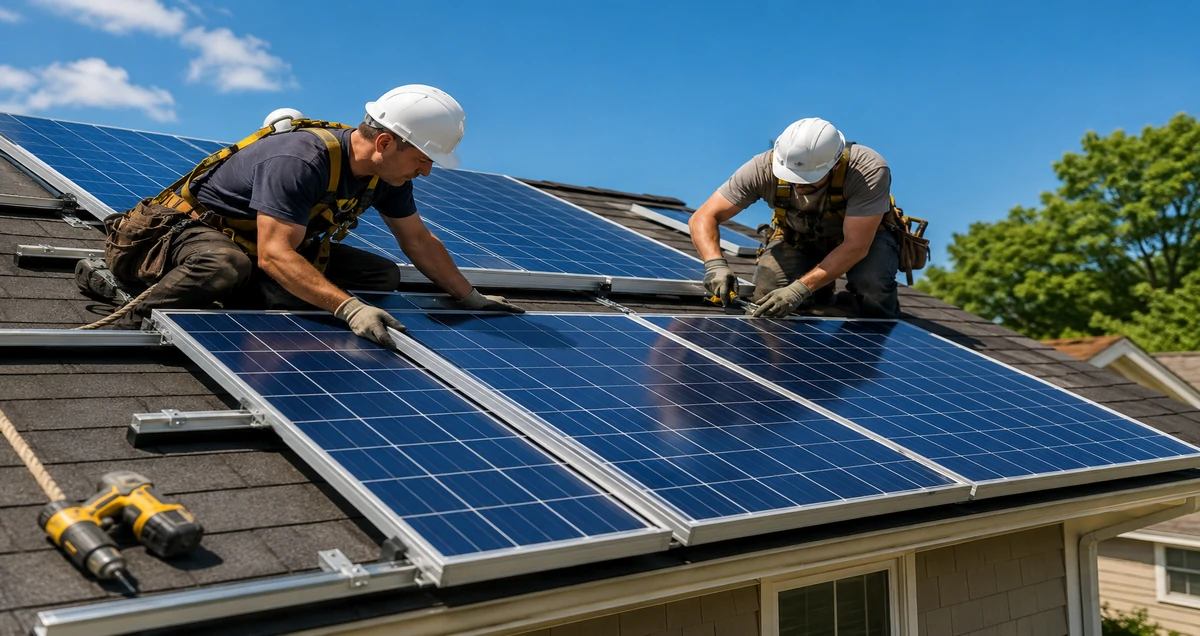
Important: Solar installation involves electrical and roof work. The exact requirements vary by location. For grid-connected systems, use a qualified professional and follow local electrical, building, permitting, and utility requirements.
What Are PV Panels?
PV stands for photovoltaic. PV panels convert sunlight into electrical energy through photovoltaic cells.
A residential solar PV system commonly includes:
- Solar PV panels
- Inverter or microinverters
- Mounting system
- DC and AC wiring
- Electrical protection equipment
- Monitoring equipment
- Utility connection equipment
- Optional battery storage
The panels generate electricity when sunlight reaches the photovoltaic cells. The inverter then converts the electricity into usable power for the home.
Why Install PV Panels?
There are several reasons homeowners choose solar PV systems.
Reduce Electricity Purchases
Solar panels can generate electricity that your home uses directly, reducing the amount of power you need to purchase from the grid.
Generate Renewable Energy
Solar energy uses sunlight rather than burning fossil fuels during electricity generation.
Increase Energy Independence
A properly sized solar system can reduce your dependence on grid electricity.
Add Battery Storage
A battery can store excess solar electricity for use later, depending on the system configuration.
Long-Term Energy Production
Quality PV panels can continue producing electricity for many years, although their output gradually declines over time.
How Does a PV Solar System Work?
The basic process is straightforward.
1. Sunlight Reaches the Panels
The PV cells absorb sunlight.
2. The Panels Generate Electricity
The cells produce DC electricity.
3. The Inverter Converts the Electricity
The inverter converts DC electricity into AC electricity that household appliances can use.
4. Your Home Uses Solar Power
Electricity generated by the system can power appliances such as refrigerators, lighting, computers, and air conditioning.
5. Excess Electricity Is Stored or Exported
Depending on your system and local utility rules, excess electricity may be stored in a battery or exported to the grid.
Where Should You Install PV Panels?
The roof is the most common location for residential PV panels, but it isn’t always the best option.
Before installation, evaluate:
Roof Condition
A roof should be structurally suitable for the installation.
If your roof is nearing the end of its useful life, consider repairs or replacement before installing solar panels.
Sun Exposure
PV panels perform best when they receive sufficient sunlight.
Trees, nearby buildings, chimneys, and other structures can create shade and reduce production.
Roof Space
You need enough usable space for the number of panels required by your system design.
Roof Orientation and Angle
The direction and angle of the roof affect solar production. The ideal configuration depends on your location.
How Many PV Panels Do You Need?
There isn’t one number that works for every home.
The required number depends on:
- Annual electricity consumption
- Panel wattage
- Local sunlight
- Roof space
- System losses
- Desired percentage of electricity offset
- Battery requirements
Start by reviewing your electricity consumption over the previous 12 months.
For example, a household with high electricity consumption may need a larger PV system than a smaller, energy-efficient home.
A qualified installer can use your electricity history and site conditions to estimate the appropriate system size.
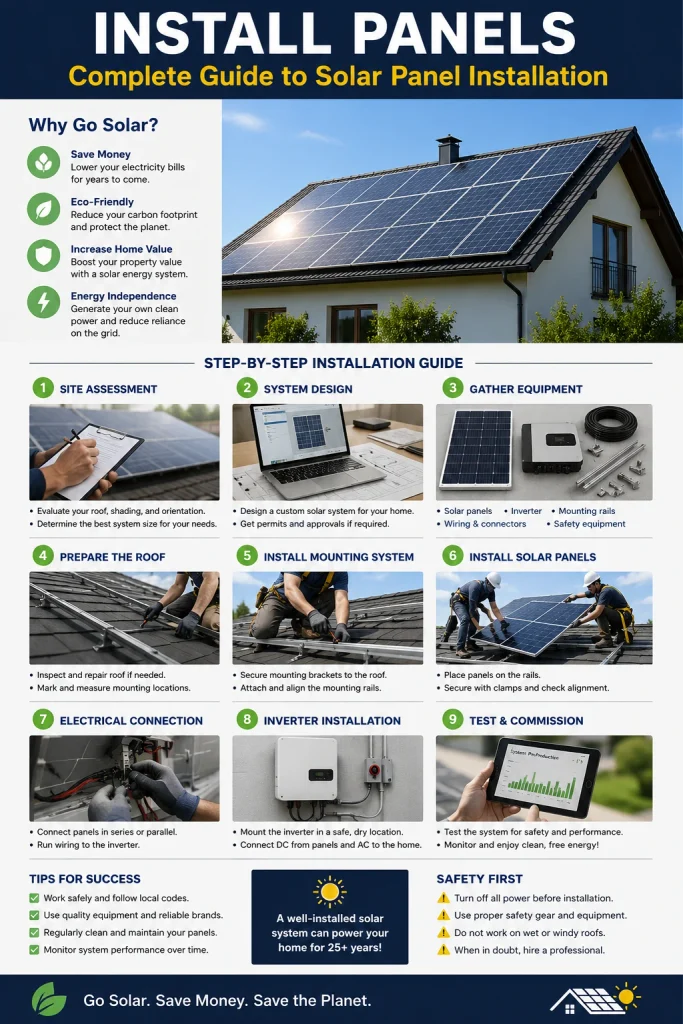
PV Panel Installation Process
A professional solar installation generally involves several stages.
Step 1: Energy Assessment
The installer reviews your electricity consumption and determines how much solar energy you may need.
Step 2: Site Assessment
The roof, electrical system, shading, orientation, and available installation area are evaluated.
Step 3: System Design
The installer designs the PV system, including panel layout, inverter capacity, wiring, and mounting equipment.
Step 4: Permits and Approvals
Depending on your location, permits and utility approvals may be required before installation.
Step 5: Mounting Installation
The mounting hardware is securely attached to the roof or another approved structure.
Step 6: PV Panel Installation
The solar panels are positioned and secured to the mounting system.
Step 7: Electrical Installation
The panels are connected to the inverter and the home’s electrical system according to applicable requirements.
Step 8: Inspection and Approval
Some locations require an inspection before the system can be connected to the grid.
Step 9: System Activation
Once approvals are complete, the system can be activated and monitored.
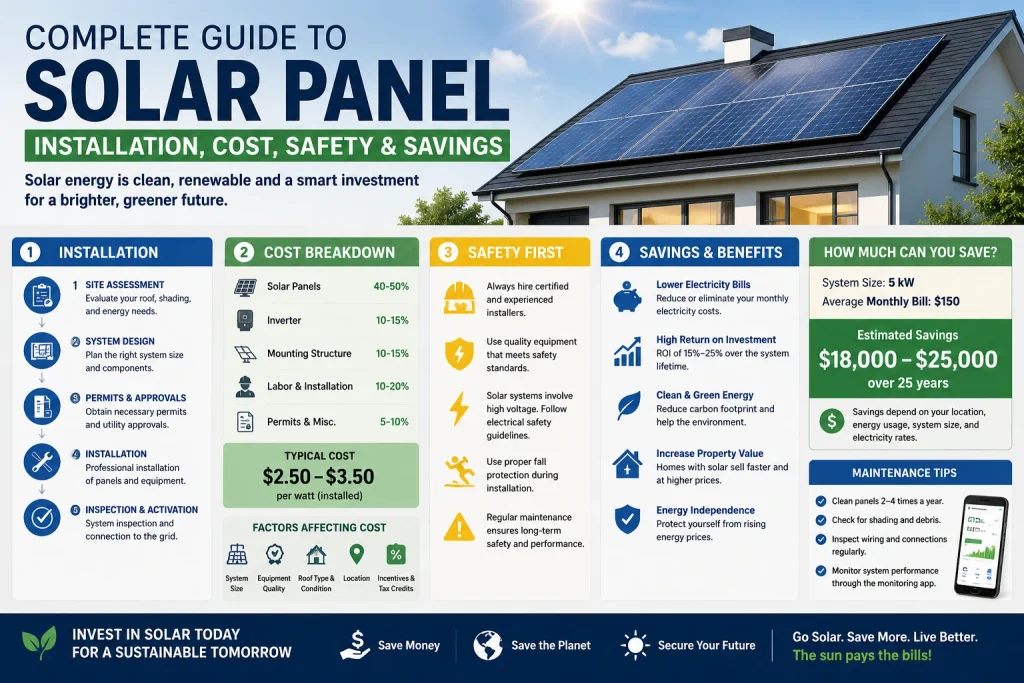
How Much Does It Cost to Install PV Panels?
The price of a solar PV installation varies significantly.
Factors affecting the total cost include:
- System size
- Panel type
- Inverter technology
- Roof complexity
- Labor
- Electrical upgrades
- Permits
- Battery storage
- Location
- Financing
- Local market conditions
Instead of focusing only on the price of individual panels, compare the complete installed system cost.
A professional quote should clearly explain what is included.
PV Panels With or Without a Battery?
One of the biggest decisions is whether to add battery storage.
PV Panels Without a Battery
Advantages include:
- Lower upfront cost
- Simpler system
- Fewer components
- Lower initial investment
The home can use solar electricity during production periods and obtain electricity from the grid when necessary.
PV Panels With a Battery
A battery stores excess solar electricity for later use.
Potential benefits include:
- Nighttime energy use
- Backup power
- Greater energy independence
- Better use of excess solar production
However, batteries add cost and may not be financially necessary for every homeowner.
How Much Can PV Panels Save?
Solar savings vary from property to property.
Your potential savings depend on:
- Electricity rates
- Solar production
- System size
- Electricity consumption
- Utility rules
- Export compensation
- Financing costs
- Battery use
A home with high electricity rates and excellent solar exposure may have greater savings potential than a home with low electricity consumption.
Avoid companies that promise identical savings for every household.
How Long Do PV Panels Last?
Modern solar panels are designed for long-term operation.
Many manufacturers provide long performance warranties, often covering around 25 years or more depending on the specific product.
However, panel output gradually declines over time.
When comparing PV panels, look at:
- Product warranty
- Performance warranty
- Degradation rate
- Manufacturer reputation
- Installer warranty
How to Choose the Right PV Panels
Don’t choose solar panels based solely on the lowest price.
Panel Efficiency
Higher efficiency can be particularly useful when roof space is limited.
Warranty
Compare product and performance warranties.
Degradation
Check how much production the manufacturer expects the panels to retain over time.
Manufacturer
Consider the company’s reputation and long-term support.
Installer
A high-quality installation is just as important as the equipment itself.
Total System Price
Compare the complete installed cost rather than only the panel price.
DIY PV Installation: Is It a Good Idea?
Some small off-grid solar systems may be designed for DIY installation.
However, installing a grid-connected residential PV system can involve significant electrical and safety requirements.
Incorrect installation can create risks including:
- Electrical shock
- Fire
- Roof damage
- Equipment failure
- Improper grid connection
If you aren’t qualified to perform electrical and roof work, professional installation is the safer choice.
Always follow local regulations and manufacturer instructions.
Common Mistakes When Installing PV Panels
Choosing the Cheapest Quote
The cheapest quote may not provide the best equipment, installation, warranty, or service.
Ignoring Roof Condition
Installing solar on a roof that needs replacement can create unnecessary future costs.
Underestimating Shade
Even partial shading can affect system production.
Buying Without Comparing Warranties
A low-cost system may have less favorable warranty coverage.
Focusing Only on Panel Wattage
Panel wattage alone doesn’t tell you how much electricity your complete system will produce.
Ignoring Local Utility Rules
Grid connection and compensation for exported electricity can vary significantly by location.
How to Get the Best PV Installation
Before signing a contract:
1. Review your electricity bills.
Use at least 12 months of consumption data when possible.
2. Inspect your roof.
Check its condition, available space, orientation, and shading.
3. Get multiple quotes.
Compare several qualified installers.
4. Compare complete systems.
Look at panels, inverters, mounting equipment, warranties, and expected production.
5. Ask about permits.
Confirm who is responsible for obtaining required permits and approvals.
6. Understand financing.
Look at the total amount you’ll pay, not just the monthly payment.
7. Check the warranty.
Understand who handles equipment and workmanship problems.
8. Review expected production.
Ask for an estimate of annual electricity generation.
Frequently Asked Questions About Installing PV Panels
How much does it cost to install PV panels?
There is no universal price. The total depends on system size, equipment, roof characteristics, labor, location, electrical work, permits, and optional battery storage.
How many PV panels do I need?
The number depends on your electricity consumption, panel wattage, sunlight, roof space, and desired energy offset.
Can I install PV panels myself?
Some small systems may be suitable for DIY installation, but grid-connected residential systems can require professional electrical work, permits, inspections, and utility approval.
Do PV panels work on cloudy days?
Yes. PV panels can still produce electricity when the sky is cloudy, although output is generally lower than under strong direct sunlight.
Do PV panels work at night?
No. Solar panels need sunlight to generate electricity. At night, a home can use grid electricity or stored battery energy.
Do I need a battery with PV panels?
No. A battery is optional for many solar installations. Its value depends on your energy needs, electricity rates, backup requirements, and local utility rules.
How long do PV panels last?
Many modern PV panels are designed to provide useful electricity production for decades, with gradual performance degradation over time.
Final Verdict
Installing PV panels can be an excellent way to generate renewable electricity at home, but the right system depends on your property, energy consumption, budget, and local regulations.
Don’t choose a system simply because it has the most panels or the lowest price.
Instead, compare:
Energy consumption + sunlight + roof condition + system size + equipment + installation quality + warranty + total cost.