
Thinking about installing solar panels for your home? Solar energy can help homeowners generate their own electricity, reduce their dependence on the power grid, and potentially lower energy bills over the long term.
But choosing a home solar system is an important decision. The right system depends on your electricity usage, roof size, sunlight, local electricity prices, available incentives, and installation costs.
In this guide, we’ll explain how home solar panels work, how much they can cost, how many panels you may need, how much you can save, and what to consider before buying.
What Are Solar Panels for Home?
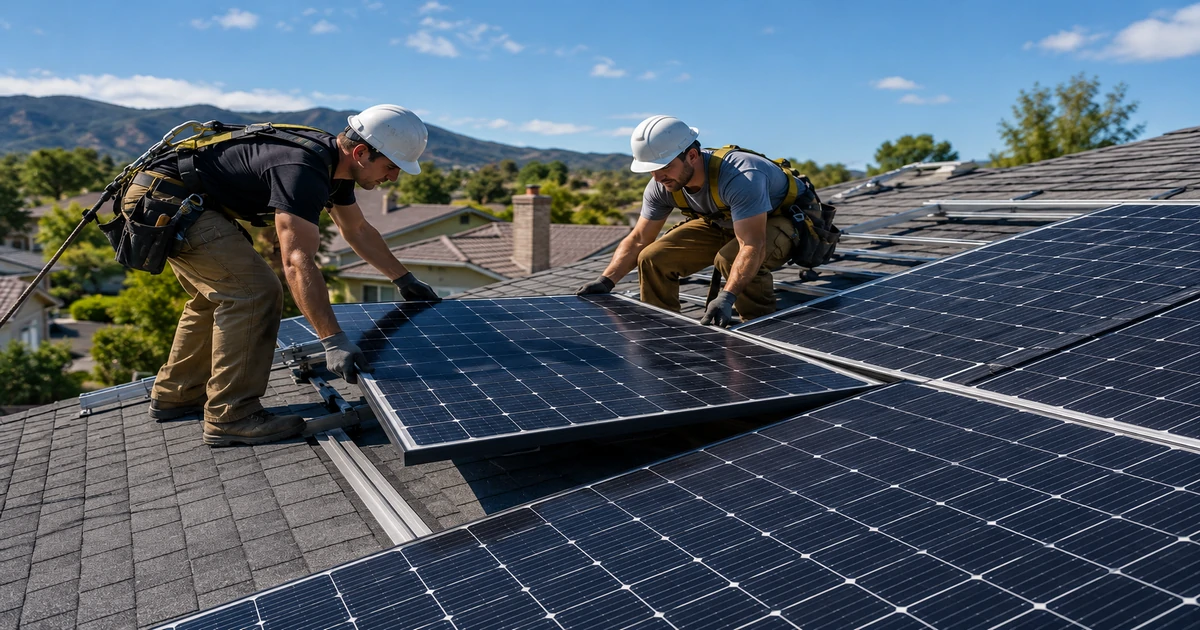
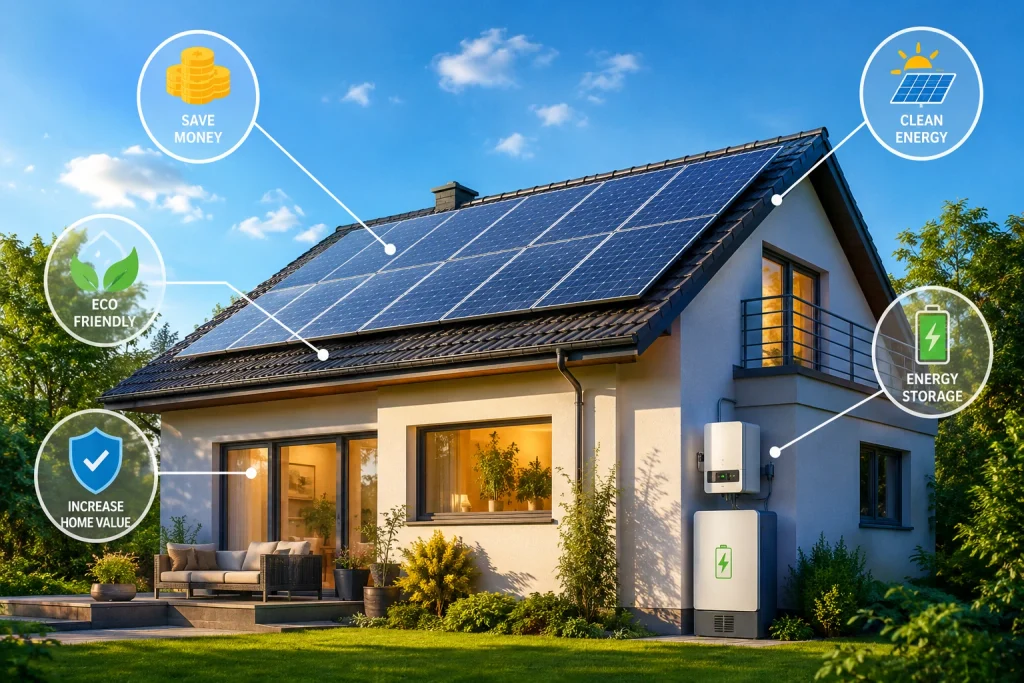
Home solar panels are photovoltaic panels installed on a residential property to convert sunlight into electricity.
When sunlight reaches the solar cells, the system generates electricity. An inverter then converts the electricity into a form that your home’s appliances can use.
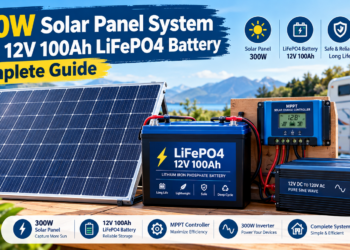
A typical residential solar system may include:
- Solar panels
- Inverter or microinverters
- Mounting equipment
- Electrical wiring
- Monitoring equipment
- Optional solar battery
- Grid connection equipment
The system can be installed on a roof, garage, carport, or another suitable location with adequate sunlight.
How Do Solar Panels Work for a Home?
The process is relatively simple.
1. Sunlight Hits the Panels
Solar cells absorb energy from sunlight.
2. The Panels Generate Electricity
The photovoltaic cells produce direct-current electricity.
3. The Inverter Converts the Electricity
The inverter converts the electricity into alternating current that household appliances can use.
4. Your Home Uses the Solar Energy
Your refrigerator, lights, air conditioner, television, and other appliances can use the electricity generated by your solar system.
5. Excess Electricity Can Be Exported or Stored
If your system produces more electricity than your home needs, the excess may be sent to the electrical grid or stored in a battery, depending on your system and local utility rules.
Are Solar Panels Good for a Home?
For many homeowners, solar panels can be a worthwhile long-term investment.
However, solar isn’t automatically suitable for every property.
A home is generally a stronger candidate when it has:
- Good exposure to sunlight
- Limited roof shading
- Enough usable roof space
- Significant electricity consumption
- Reasonable installation costs
- Favorable local electricity rates and solar policies
If your roof receives heavy shade throughout the day, the system may produce significantly less electricity.
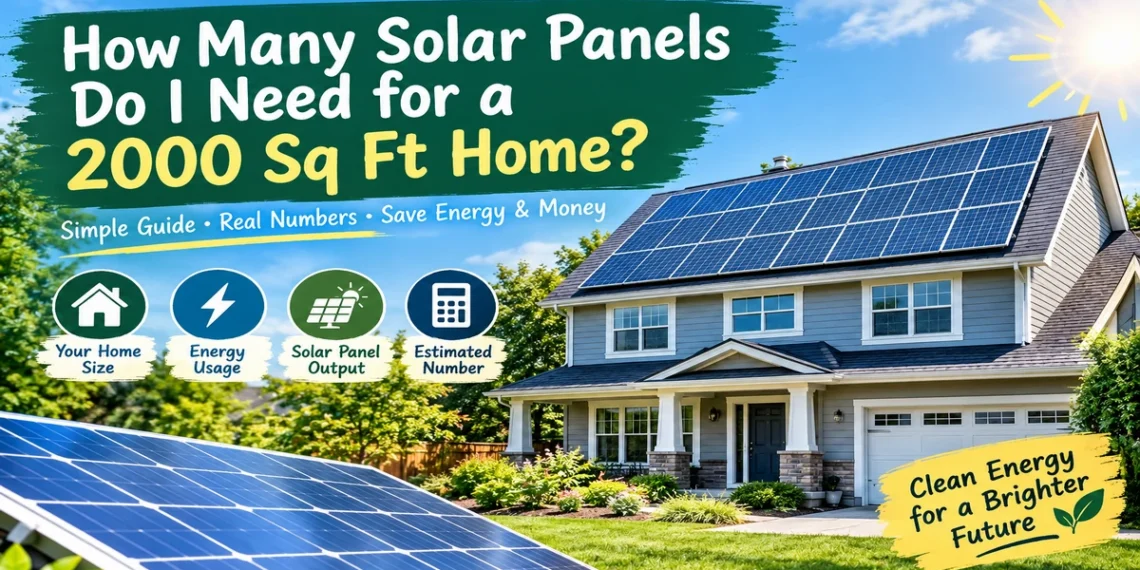
How Many Solar Panels Does a Home Need?
There is no universal number of solar panels for every home.
The number depends primarily on your annual electricity consumption and the power rating of each panel.
For example, a household with high electricity consumption may need a larger system than a smaller, energy-efficient home.
A simple way to start is to look at your electricity bills from the previous 12 months.
You’ll want to know:
How many kilowatt-hours (kWh) does your home use each year?
A professional solar installer can then estimate the system size required to offset some or all of your electricity consumption.
How Much Do Solar Panels for a Home Cost?
The total price of a residential solar system depends on several factors.
These include:
- Number of panels
- Panel efficiency
- System size
- Inverter technology
- Roof design
- Installation labor
- Electrical work
- Permits
- Battery storage
- Local market conditions
- Financing
It’s important to compare the total installed price, rather than looking only at the price of individual solar panels.
A cheap panel doesn’t necessarily mean a cheap or good solar installation.
What Determines the Cost of Home Solar Panels?
System Size
A larger system generally costs more because it requires more panels and equipment.
Roof Type
A simple roof can be easier and less expensive to install on than a complicated roof with multiple angles.
Panel Efficiency
Higher-efficiency panels can produce more electricity from a smaller amount of roof space.
Battery Storage
Adding a battery increases the upfront cost but can provide energy storage for nighttime use and, depending on the system, backup power during outages.
Installation
Labor and electrical work can represent a significant part of the total solar project cost.
How Much Can Home Solar Panels Save?
Solar savings vary from one household to another.
Your potential savings depend on:
- Current electricity bill
- Local electricity rates
- Solar system size
- Annual solar production
- Roof orientation
- Shading
- System efficiency
- Utility compensation rules
- Financing costs
For example, a homeowner with a high electricity bill and an excellent solar roof may have greater potential savings than someone with very low electricity consumption.
The best way to estimate your savings is to compare your current annual electricity cost with the amount of electricity your proposed system is expected to generate.
Can Solar Panels Eliminate Your Electricity Bill?
Sometimes, but not always.
A large enough solar system may generate substantial amounts of electricity, but your final bill depends on your utility’s pricing structure and how much electricity you use when your panels are producing power.
Even if your panels generate enough electricity over an entire year to match your consumption, you may still have certain grid, connection, or fixed charges.
That’s why homeowners should look at their utility’s current billing and solar compensation rules before purchasing a system.
Solar Panels Without a Battery vs. With a Battery
One of the biggest decisions homeowners face is whether to add battery storage.
Solar Panels Without a Battery
Advantages include:
- Lower initial cost
- Simpler installation
- Less equipment to maintain
- Lower upfront investment
During periods when your panels aren’t producing enough electricity, your home can draw electricity from the grid.
Solar Panels With a Battery
A battery can store excess solar energy for later use..
Potential advantages include:
- Using stored energy at night
- Greater energy independence
- Backup power during some outages
- Better use of excess solar production
The downside is the additional cost.
Whether a battery is financially worthwhile depends on your electricity rates, utility rules, backup-power needs, and local conditions.
Where Should Solar Panels Be Installed?
The roof is the most common location for residential solar panels.
However, not every roof is suitable.
Before installation, consider:
Roof Orientation
The direction your roof faces affects how much sunlight the panels receive.
Roof Angle
The roof pitch can affect solar production and installation requirements.
Shading
Trees, buildings, chimneys, and nearby structures can reduce solar production.
Roof Condition
If your roof is old or needs major repairs, it may be better to address those issues before installing solar panels.
Removing and reinstalling solar panels later can add unnecessary costs.
How Long Do Solar Panels Last?
Modern solar panels are designed to operate for decades.
Many manufacturers offer long-term product and performance warranties, often covering approximately 25 years or more depending on the specific panel.
Solar panels gradually lose some production capacity over time, rather than suddenly stopping at the end of the warranty period.
When comparing systems, check:
- Product warranty
- Performance warranty
- Expected degradation
- Manufacturer reputation
- Installer warranty
What Are the Benefits of Solar Panels for Home?
1. Lower Electricity Costs
Generating your own electricity can reduce the amount of electricity you purchase from the grid.
2. Renewable Energy
Solar power uses sunlight as its energy source.
3. Long-Term Energy Production
A properly installed system can produce electricity for many years.
4. Greater Energy Independence
Solar can reduce your dependence on traditional grid electricity.
5. Battery Compatibility
You can combine solar panels with battery storage if your energy needs justify it.
6. Potential Property Appeal
A professionally installed solar system may be attractive to some future buyers, although the effect on property value varies by market.
What Are the Disadvantages of Solar Panels?
Solar energy also has limitations.
High Upfront Investment
Buying and installing a complete solar system can require a significant initial investment.
Weather Dependence
Solar production varies with sunlight and weather conditions.
Roof Restrictions
Not every roof has enough space or receives sufficient sunlight.
Maintenance and Repairs
Although solar systems generally require relatively little maintenance, components such as inverters may eventually need servicing or replacement.
Local Rules
Utility policies and compensation for excess electricity differ by location.
Are Solar Panels Worth It for a Small Home?
They can be.
A smaller home may use less electricity, which could mean needing a smaller solar system.
However, the financial calculation still depends on installation cost, electricity prices, sunlight, roof conditions, and local regulations.
Instead of choosing a system based only on the size of your house, start with your actual electricity consumption.
Are Solar Panels Worth It for a Large Home?
Large homes can also benefit from solar, particularly when electricity consumption is high.
However, a larger home may require more panels and potentially a larger electrical system.
Energy efficiency should also be considered.
Improving insulation, using efficient appliances, upgrading lighting, and reducing unnecessary electricity consumption can reduce the amount of solar capacity you need.
How to Choose the Best Solar Panels for Your Home
Don’t choose solar panels based only on the cheapest price.
Compare the following:
Efficiency
Higher efficiency can be useful when roof space is limited.
Warranty
Look at both equipment and performance warranties.
Manufacturer
Consider the manufacturer’s reputation and track record.
Installer
A quality installation is critical to long-term system performance.
Total System Cost
Compare the complete installed price.
Expected Energy Production
Ask for an estimate of annual electricity production.
Inverter
The inverter is one of the most important components of the system, so understand which technology and warranty you’re receiving.
Should You Buy Solar Panels or Finance Them?
Homeowners typically have several options.
Cash Purchase
You pay for the system upfront and own the equipment.
Solar Loan
A loan spreads the cost over time, but interest increases the total amount paid.
Lease
A third party may own the solar equipment while you pay for its use.
Power Purchase Agreement
Under a PPA, you generally pay for the electricity produced by a system rather than purchasing the system itself.
Each option has different financial consequences.
Always compare the total amount you will pay over the contract period, not just the monthly payment.
How to Get the Best Solar Installation
Before signing a solar contract, follow these steps:
1. Check your electricity consumption.
Review at least 12 months of electricity bills.
2. Inspect your roof.
Make sure the roof is structurally suitable and consider its remaining lifespan.
3. Get multiple quotes.
Compare several qualified solar installers.
4. Compare equipment.
Look at panels, inverters, warranties, and batteries.
5. Check the expected production.
Ask how many kWh the system is expected to generate annually.
6. Review financing carefully.
Check interest rates, fees, contract length, and total cost.
7. Check local regulations.
Understand utility connection requirements and compensation for excess electricity.
8. Read everything before signing.
Don’t rely solely on a salesperson’s verbal promises.
Frequently Asked Questions About Solar Panels for Home
Are solar panels worth it for a home?
They can be, especially when the property receives good sunlight, electricity prices are relatively high, and the installation cost is reasonable.
How many solar panels does a house need?
The number depends on the home’s annual electricity consumption, panel wattage, sunlight, roof space, and desired electricity offset.
How much do solar panels cost for a home?
The cost varies considerably depending on system size, equipment, installation, location, and whether you add battery storage.
Do solar panels work on cloudy days?
Yes. Solar panels can generate electricity under cloudy conditions, although production is usually lower than during strong sunlight.
Do solar panels work at night?
No. Solar panels need light to produce electricity. At night, a home can use grid electricity or stored battery energy.
Do I need a battery with solar panels?
No. A battery is optional for many homes. It can be useful if you want stored energy, greater energy independence, or backup power.
How long do home solar panels last?
Many modern panels are designed to provide useful electricity production for 25 years or longer, with output gradually declining over time.
Can solar panels increase home value?
They may add appeal and value in some markets, but the effect varies by location, system ownership, energy savings, and local buyer demand.
Final Verdict
Solar panels for home use can be a smart long-term investment, but the right system depends on your property and energy needs.
Before buying, don’t focus only on the number of panels or the lowest installation price.
Look at the complete picture:
Electricity consumption + sunlight + roof condition + system cost + financing + utility rules + expected savings.
Getting several professional quotes and comparing the total cost and expected energy production is one of the best ways to determine whether solar makes sense for your home.
With the right installation, solar panels can provide clean electricity for decades while potentially reducing your dependence on the traditional power grid.
next steps to get started with solar