
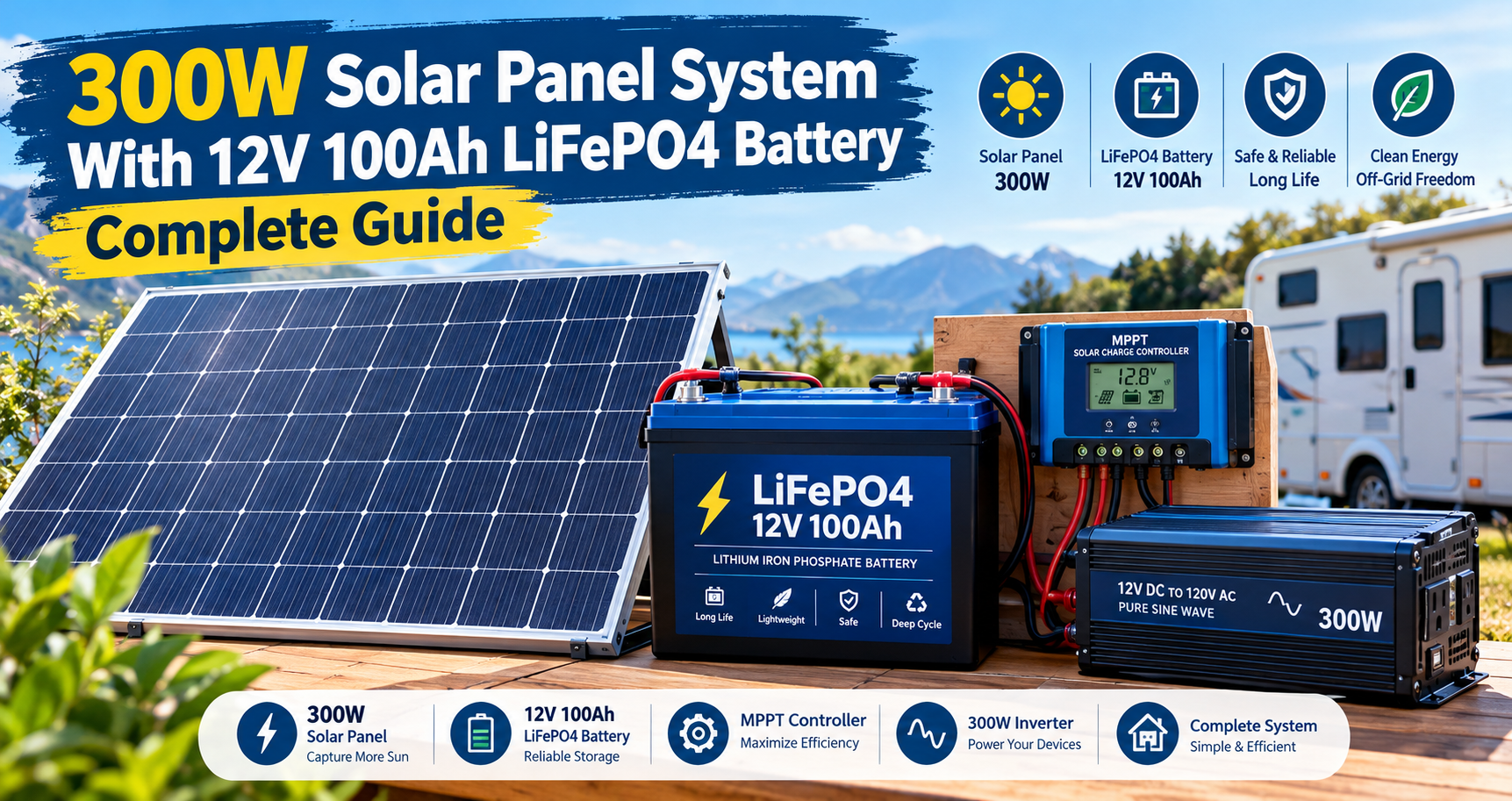
300W Solar Panel System With a 12V 100Ah LiFePO4 Battery: Complete Guide
A 300W solar panel system can provide electricity for small off-grid applications when paired with a compatible MPPT charge controller, a 12V 100Ah LiFePO4 battery, and a suitable inverter. This guide explains how the components work together, how much energy the system can produce, which appliances it may power, and what to check before installation.
Quick answer: A 300W solar panel can recharge a 12V 100Ah lithium battery during favorable sunlight conditions. Actual charging time and available electricity depend on sunlight, battery state of charge, equipment efficiency, and connected loads.
1. What Is a 300W Solar Panel System?
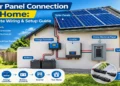
A 300W solar panel system converts sunlight into electrical energy. The electricity passes through a compatible charge controller, which manages battery charging. A battery stores energy for later use, while an inverter converts battery DC electricity into AC electricity for compatible appliances.
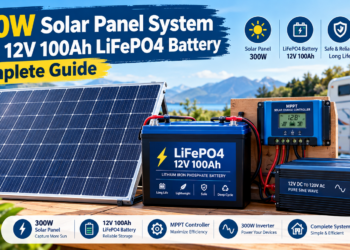
A typical small off-grid setup includes:

- One 300W solar panel.
- One compatible 30A MPPT charge controller.
- One 12V 100Ah LiFePO4 battery.
- One appropriately sized pure sine wave inverter.
- Suitable cables, fuses, disconnects, and mounting equipment.
Solar panel → MPPT charge controller → Battery → Inverter → AC appliances
2. How Much Energy Can a 300W Solar Panel Produce?
The rated power of a solar panel represents its output under standardized test conditions. Real-world production varies with sunlight, panel temperature, shading, orientation, and system losses.
A useful preliminary estimate is:
Daily Solar Energy = Panel Power × Peak Sun Hours
Estimated daily energy must then be adjusted for real-world system losses.
Example Daily Production
| Peak Sun Hours | Ideal Energy | Illustrative Energy After 20% Losses |
|---|---|---|
| 3 hours | 900Wh | 720Wh |
| 4 hours | 1,200Wh | 960Wh |
| 5 hours | 1,500Wh | 1,200Wh |
These are planning examples, not guaranteed production figures. Actual results depend on the installation and local solar conditions.
3. Understanding the 12V 100Ah LiFePO4 Battery
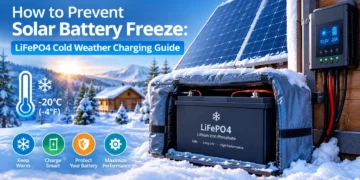
A 12V 100Ah lithium iron phosphate battery stores energy for use when solar production is low or unavailable.
Nominal battery capacity:
Approximately 1,280Wh
12.8V × 100Ah = 1,280Wh
The actual nominal voltage depends on the battery model. Many batteries marketed as 12V LiFePO4 use a nominal voltage of approximately 12.8V.
How Much Energy Is Usable?
Usable energy depends on the battery manufacturer’s recommended depth of discharge and the system’s operating limits.
| Depth of Discharge | Illustrative Energy |
|---|---|
| 50% | 640Wh |
| 80% | 1,024Wh |
| 90% | 1,152Wh |
These figures are calculated from a nominal 1,280Wh capacity. They do not account for inverter losses, battery condition, temperature, or the manufacturer’s discharge limits.
4. Is a 30A MPPT Charge Controller Suitable?
A 30A MPPT controller may be suitable for a 300W solar panel connected to a 12V battery, provided its specifications match the panel and battery.
MPPT technology adjusts the operating point of the solar array and converts the available panel power into a suitable charging voltage and current.
What Should You Check?
- Maximum PV input voltage.
- Maximum permitted solar array power for a 12V battery.
- Maximum PV input current and short-circuit current.
- Maximum battery charging current.
- Compatibility with LiFePO4 charging settings.
- Required protection devices and installation clearances.
5. Can a 1000W Inverter Work With a 12V 100Ah Battery?
A 1000W pure sine wave inverter can supply AC electricity to compatible appliances, but the battery and its battery management system (BMS) must be able to supply the required DC current.
For an illustrative calculation, assume a 12.8V battery and an inverter efficiency of 90%.
Estimated battery current:
DC Current ≈ AC Output Power ÷ (Battery Voltage × Inverter Efficiency)
1,000W ÷ (12.8V × 0.90) ≈ 87A
This is an estimate. Actual current varies with battery voltage, inverter efficiency, load, and startup surges.
Check the Battery BMS
Before running a high-power load, verify that the battery supports the required continuous discharge current and short-duration surge current.
- A 1000W inverter does not mean the battery can safely deliver 1000W in every installation.
- High-current DC connections require correctly sized cables and overcurrent protection.
- Some appliances draw much more power when starting than while running.
- A low-voltage shutdown can occur if battery voltage drops excessively under load.
6. What Appliances Can a 300W Solar System Power?
This system is best suited to modest energy needs. Suitable loads depend on the appliance’s wattage, operating duration, battery state of charge, and available solar production.
| Appliance | Illustrative Power | Example Daily Energy |
|---|---|---|
| LED light bulb | 10W | 50Wh for 5 hours |
| Laptop | 60W | 240Wh for 4 hours |
| Wi-Fi router | 12W | 288Wh for 24 hours |
| Phone charging | 15W | 30Wh for 2 hours |
These figures are examples only. Actual consumption varies by device, usage, and charging efficiency.
7. How Long Does It Take to Charge the Battery?
Charging time depends on how much energy the battery needs, the power actually delivered by the panel, the charge controller, and the battery’s charging characteristics.
For example, replacing 800Wh of battery energy with a solar panel producing an average of 200W of usable charging power would require approximately four hours under those simplified assumptions.
Energy required ÷ Average usable charging power
Real charging time may be longer because sunlight changes throughout the day and charging power is not constant. The battery may also reduce its charging current as it approaches full charge.
8. How to Connect the Components
The system must be assembled according to the specific equipment manuals. A typical arrangement follows this general sequence:
- Mount the solar panel securely in a suitable location.
- Verify that the panel’s voltage and current are compatible with the MPPT controller.
- Install the battery and required protection equipment according to the manufacturer’s instructions.
- Connect the controller to the battery in the sequence specified by its manufacturer.
- Connect the solar panel to the controller using correctly rated PV wiring and disconnects.
- Configure the controller for the exact battery chemistry and model.
- Connect the inverter to the battery through correctly sized cables and appropriate overcurrent protection.
- Test the system and confirm that the charging and inverter indicators operate normally.
9. Common Mistakes to Avoid
- Choosing an incompatible controller: Check PV voltage, current, and power limits.
- Ignoring battery discharge limits: Confirm the BMS can support the intended loads.
- Using undersized cables: High current can cause voltage drop and overheating.
- Skipping fuses and disconnects: Use correctly rated protective equipment.
- Expecting constant solar output: Production changes with weather and time of day.
- Ignoring inverter losses: AC appliances consume more battery energy than their delivered AC energy alone suggests.
- Assuming 1000W is available all day: The inverter rating is a maximum output specification, not an energy-storage rating.
10. Frequently Asked Questions
Is a 300W solar panel enough for a 12V 100Ah battery?
It can be suitable for charging a 12V 100Ah LiFePO4 battery. The time required depends on the energy to be replaced, available sunlight, controller efficiency, and battery charging limits.
Can I use a 30A MPPT controller with a 300W panel?
Potentially, yes. Confirm that the controller supports the panel’s open-circuit voltage, short-circuit current, rated power, and the battery’s charging requirements.
Can a 12V 100Ah battery run a 1000W inverter?
It may support some loads through a 1000W inverter if the battery BMS, cabling, protection, and inverter requirements are compatible. Running the inverter at full output requires a high DC current, so verify the battery’s continuous discharge rating.
Does a 300W solar panel produce 300W all day?
No. The 300W rating applies under standardized test conditions. Actual output varies with sunlight, temperature, shading, and panel orientation.
Is LiFePO4 a good battery choice for off-grid solar?
LiFePO4 batteries are commonly used in off-grid solar systems because of their cycle life and energy-storage characteristics. Choose a battery with suitable voltage, capacity, BMS protection, and charging limits for your application.
Conclusion: Is a 300W Solar Panel System Worth It?
A 300W solar panel paired with a 12V 100Ah LiFePO4 battery can be a useful starting point for small off-grid applications, including LED lighting, laptop charging, and other modest loads.
The 30A MPPT controller and 1000W inverter shown in the system image may be suitable when their electrical specifications match the panel and battery. However, the inverter’s maximum rating does not determine how long appliances can operate.
Before purchasing equipment, calculate daily energy consumption, check expected solar production, and verify battery discharge limits. Correct component sizing, suitable electrical protection, and professional installation help create a safer and more reliable solar power system.
Final recommendation: Match the solar array, MPPT controller, battery, and inverter as a complete system rather than selecting each component independently.