
How to Optimize Your Home’s Energy Efficiency with Smart Technology !
The first time I saw smart technology actually save an off grid home from failure was not in a fancy house. It was a small place tucked into the trees where winter storms loved to linger. The owner kept calling me because his batteries were draining overnight and he could not figure out why. We did not add more solar panels or bigger batteries. We added smart controls. One simple change shifted his whole system from stressed to stable. That moment changed how I look at energy efficiency forever.
After ten years working with off grid solar and backup power solutions I can tell you this. Smart technology is not about gadgets. It is about control. When you control your energy you stop wasting it. That is how real efficiency starts.
Why Energy Efficiency Comes Before More Solar Power
I once worked with a homeowner who wanted to double his solar array because his system felt weak. Before ordering anything I asked him to walk me through his daily routine. Lights stayed on all night. His water heater ran constantly. Old appliances pulled power even when idle. We fixed those things first.


His system suddenly felt oversized.
Energy efficiency always comes before adding solar power. Every wasted watt is a watt your panels must replace. Smart technology helps you spot waste that is otherwise invisible. Once you see it you cannot unsee it.
Smart Energy Monitoring Changes Everything
A client in a rural area once told me he felt blind when it came to power use. He knew his system worked but he had no idea where the energy went. We installed a smart energy monitor and within two days he found the problem. A freezer cycling far more than expected. It was slowly draining his batteries every night.
Smart energy monitoring gives you real time data. You see what turns on. You see what stays on. You learn patterns fast. For off grid living this knowledge is gold. Instead of guessing you adjust with confidence.
Start with a whole home energy monitor if possible. If not then monitor your biggest loads. Pumps. Heating systems. Refrigeration. Those are usually the hidden culprits.
Smart Lighting Is a Quiet Energy Saver
Lighting sounds small but it adds up. I worked with a family who loved warm lighting and left it on all evening. They did not realize how many hours it ran after they went to bed. Smart lighting fixed that without changing their habits.
Motion sensors timers and schedules cut lighting waste instantly. Lights turn off when rooms are empty. Outdoor lights shut down before sunrise. It feels natural once it is set.
For off grid solar systems this matters because lighting usually runs at night when panels are inactive. Smart lighting reduces nighttime drain which protects your battery bank.
Smart Thermostats and Climate Control
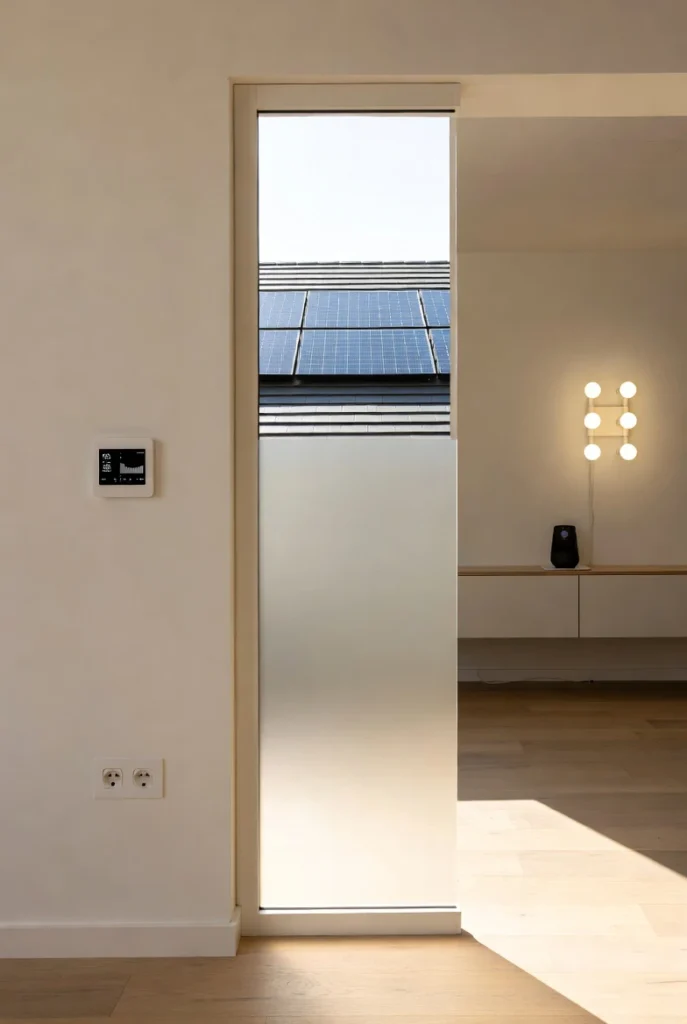
This is where I see the biggest gains. Heating and cooling eat energy faster than anything else. A homeowner once showed me his logs and nearly half his daily usage went to climate control.
Smart thermostats learn your schedule. They adjust automatically. They prevent systems from running when nobody is home. In off grid homes this can mean the difference between waking up with full batteries or half empty ones.
Even in homes without full HVAC systems smart control of space heaters or heat pumps makes a huge difference. Set limits. Use schedules. Avoid heating empty rooms. Smart tech makes this easy without constant attention.
Smart Plugs Reveal Sneaky Power Drain
I remember plugging a smart outlet into a TV setup for a client. He laughed and said it could not be using much power. The data showed otherwise. That setup pulled energy all day even when off.
Smart plugs are simple tools that expose phantom loads. Anything with a screen or standby mode is a suspect. Coffee makers. Entertainment systems. Office equipment.
Once identified you can schedule shutoffs or automate power cuts. This protects your batteries and keeps your system balanced.
Appliance Scheduling Makes Solar Work Smarter
One off grid household I worked with had plenty of solar production during the day but struggled at night. The fix was not more panels. It was better timing.
Smart technology allows appliances to run when solar power is strongest. Washing machines dishwashers water heaters and pumps can all be scheduled for midday use. This uses solar energy directly instead of draining batteries later.
I tell clients to think of sunlight as free fuel that expires every evening. Use it while it is available. Smart scheduling makes that happen without effort.
Battery Optimization with Smart Controls
Modern battery systems offer smart management tools. These are often overlooked. A client once called me panicked because his batteries showed low charge even on sunny days. The issue was not the batteries. The settings were wrong.
Smart battery management systems protect against deep discharge and overcharging. They balance cells and regulate output. When configured properly they extend battery life and improve reliability.
Spend time learning your battery settings. Set alerts. Watch trends. Small adjustments can add years to a battery bank.
Smart Inverter Settings Matter More Than You Think
I once adjusted inverter settings for a customer and his system instantly stabilized. No new equipment. No extra solar. Just better configuration.
Smart inverters allow load prioritization and efficiency tuning. You can limit surge power. Adjust idle consumption. Set sleep modes. These features reduce wasted energy when loads are low.
Many people never touch these settings. They leave performance on the table. Take the time to understand them. It pays off fast.
Automating Backup Power Response
Backup power solutions work best when they respond automatically. Smart technology allows systems to react without human input.
Generators can be programmed to start only when battery levels drop below safe thresholds. Loads can be shed automatically to preserve critical systems. This protects equipment and reduces fuel use.
I once saw a backup generator run for hours unnecessarily because nobody noticed a minor setting error. Automation fixed that and saved fuel immediately.
Common Mistakes People Make with Smart Technology
One mistake I see often is overcomplication. Too many devices without a plan. Smart technology should simplify your life not make it harder.
Another mistake is ignoring updates. Firmware matters. Outdated systems behave unpredictably.
Finally many people fail to test their setup. Run scenarios. Simulate outages. Learn how your system reacts before you need it.
Who Benefits Most from Smart Energy Optimization
Anyone using off grid solar or backup power solutions benefits. Rural homeowners. Cabin owners. Homesteaders. Even grid tied homes with backup systems.
A family I worked with told me their system finally felt predictable after smart optimization. That word matters. Predictable energy reduces stress and builds confidence.
FAQ About Smart Technology and Energy Efficiency
Does smart technology work off grid
Yes many systems are designed for off grid solar and backup power use. They work locally without internet.
Is smart energy expensive
Some tools cost money but many save more than they cost by reducing wasted energy.
Do I need technical skills
Basic systems are easy to learn. More advanced setups benefit from professional guidance.
A Personal Note Before You Go
If you want to optimize your home energy efficiency with smart technology and you want advice from someone who has lived through the mistakes and fixes reach out on SoloPWR. I actually respond and I enjoy helping people build systems that feel calm reliable and truly independent.