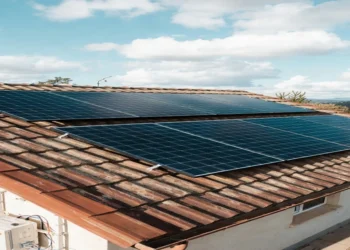

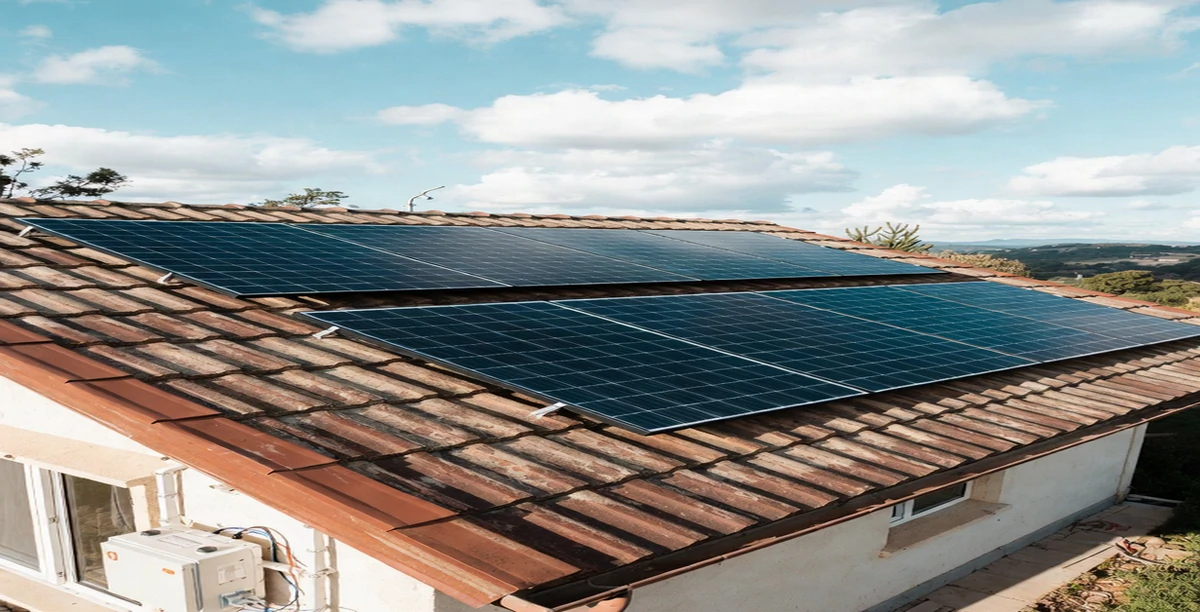
I still remember the first time I stood on a dusty metal roof in a tiny desert town and held a solar panel under the afternoon sun. The client was an older rancher who had spent half his life fighting with an unreliable generator. He looked at that single panel like it was a miracle. At the time I did not fully understand how much solar panels would change his life. Now after ten years of installing and repairing off grid solar systems I have seen this same story play out over and over again. Solar power gives people freedom. Real freedom. No noise. No fuel runs. No stress every time a storm rolls in.
So let me walk you through what I have learned about choosing the right solar panels for off grid living. Not what a brochure tells you. What people who actually live off the grid have taught me.
Why Solar Panels Matter More Off The Grid Than On The Grid
A family in the mountains once showed me their utility bills for their old property. They paid more for electricity every month than they spent on groceries. When they moved to their new off grid cabin they wanted to do everything right the first time. Solar panels became the backbone of their new life. They told me something I still repeat to new clients. They said solar panels never complain. They just work. That is exactly how solar should feel in an off grid setting.
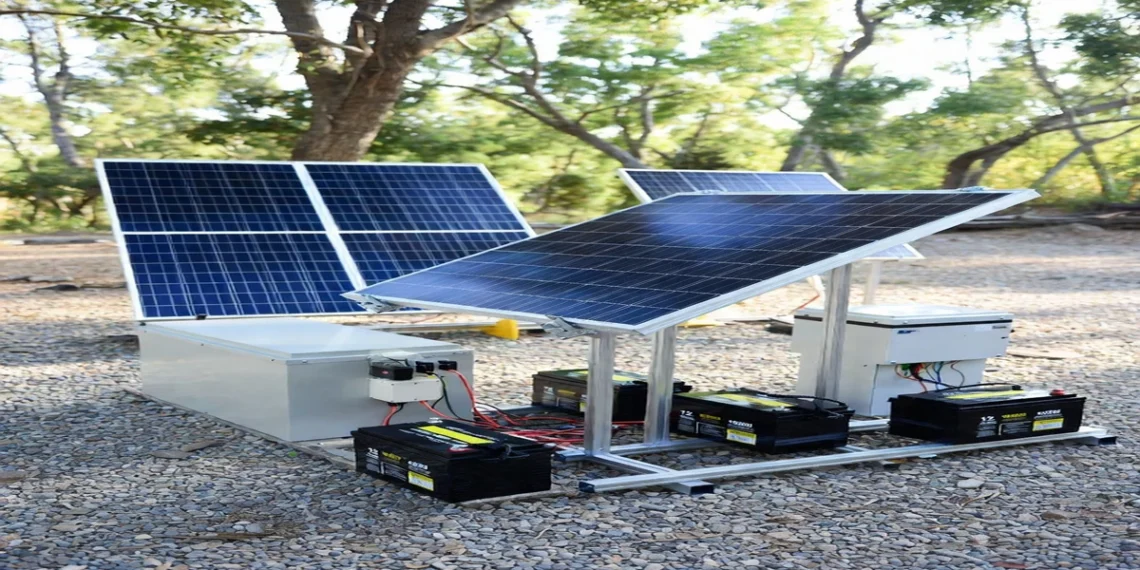
When you disconnect from the grid your panels become your main source of energy. There is no backup line. No electric company to lean on. Your system has to stand on its own. That is why the right panel choice matters more than people realize. Panels decide how fast your batteries charge and how much energy you can store for cloudy days or long winter nights.
Different Types of Solar Panels and What Actually Matters
People often ask me what type of solar panel is best for off grid living. The truth is simpler than most think. Monocrystalline panels give you the best efficiency especially in hot or limited space conditions. Polycrystalline panels can work well too but most modern systems use monocrystalline because they squeeze more power from the same sunlight.
What really matters though is quality. I have seen panels that looked fine on day one then slowly lost output long before they should have. The worst part is that most people never notice until their batteries start dropping lower and lower each evening. A farmer I worked with last year had panels that were producing half their rated power even though they looked perfectly clean. Replacing them fixed everything in one day. Never choose cheap panels for off grid use. Choose brands with strong field reputation and long tested lifespans.
How Many Solar Panels You Need for Off Grid Living
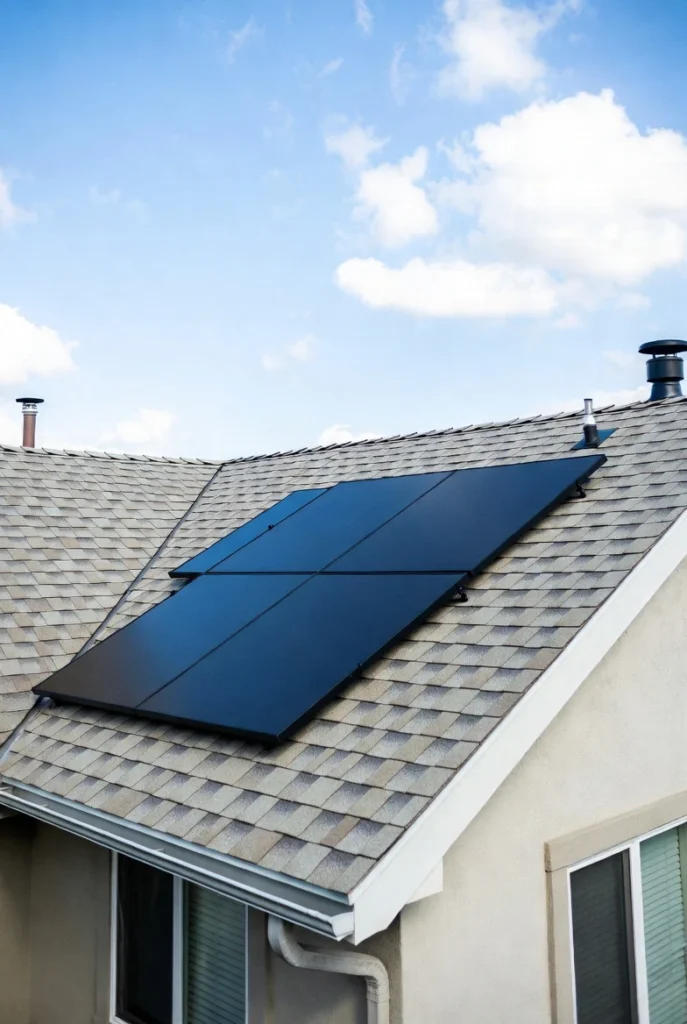
This is the question everyone wants a perfect answer for but it depends on your lifestyle. A man in Utah once told me he lived simply and only needed a tiny system. Then I asked him to show me what he considered simple. He had a full size fridge a large freezer a water pump two laptops security lights and an espresso machine. That espresso machine alone needed nearly as much power as his old generator could give.
So the first step is knowing your real energy use. Not your imagined use. Your real daily load. Once you know that you can size the panel array correctly.
For most off grid homes I recommend enough panels to fully charge the battery bank by early afternoon on a sunny day. That gives you a buffer for cloudy weather or seasonal changes. If you live farther north you will need more panels because winter sun is weaker. If you live in a hot climate you also want extra panel capacity since heat reduces panel efficiency.
When in doubt choose more panel power. Panels are the least expensive part of the entire system and they will always improve reliability.
How Sunlight Conditions Change Everything
One thing I learned the hard way is that two properties with the same number of panels can have completely different performance. A friend of mine built a beautiful off grid cabin in a narrow valley. He thought his system was perfect but the surrounding trees stole half his sunlight in the winter. Even though he had strong panels they never had enough time in the sun to fill the batteries.
Before installing panels look at your property during the morning and again near late afternoon. See how shadows move. Shadows from trees mountains and buildings can cut your energy fast. It only takes a small amount of shade on one part of a panel to weaken the whole string. A simple repositioning of the array can change your system from unreliable to excellent.
Why Panel Mounting Matters More Than People Expect
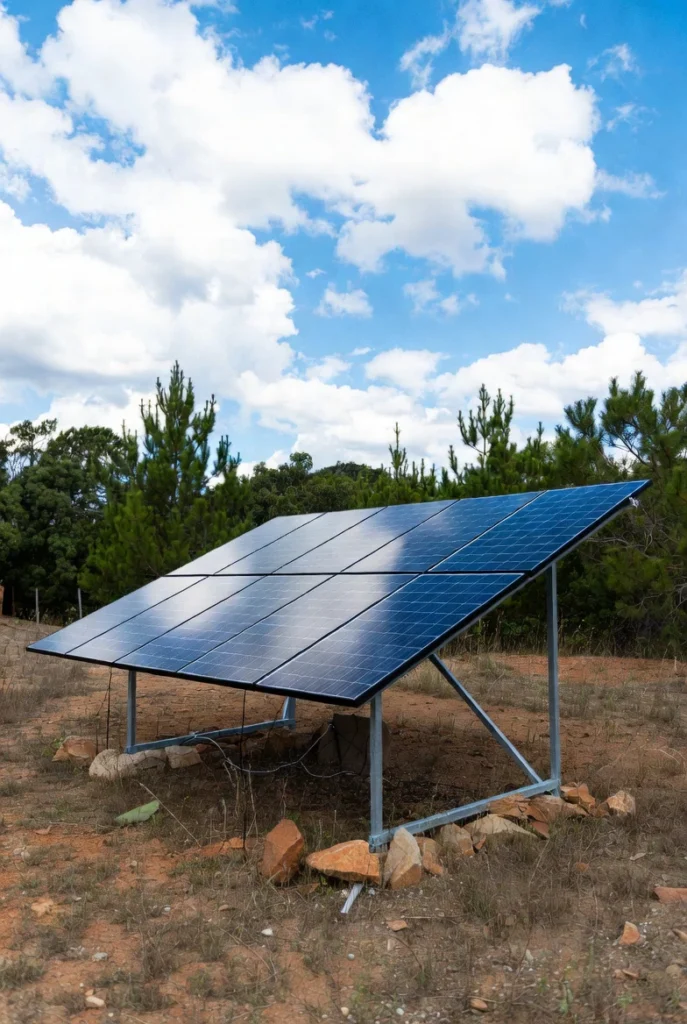
I once helped a couple who mounted their panels flat on their cabin roof without thinking about the angle. That flat angle worked fine in the summer but in winter snow piled up and blocked the panels for days. They had to climb the roof constantly which became dangerous on icy mornings. After switching to a ground mount with a steeper angle the panels stayed cleaner and their winter production almost doubled.
Mounting is not just about direction. It is about accessibility. Off grid systems need occasional cleaning and inspection. Dust, pollen, and bird droppings can all reduce output. If your panels are easy to reach you are more likely to keep them performing at their best.
How Solar Panels Work With Your Battery Bank
Solar panels and batteries are like partners. If the panels do not make enough energy the batteries suffer. If the batteries are too small they drain too fast and your panels never get a good chance to fill them. Everything needs to match.
I worked with a woman who had one of the best lithium battery banks I had ever seen but her panel count was far too low. Her batteries were always at half charge and she could never understand why. We doubled her solar array and the difference was incredible. Her batteries finally reached full charge by mid day and she had constant reliable power.
Think of panels as the engine and batteries as the fuel tank. You need enough engine power to fill the tank before nightfall.
Real Tips From Real Off Grid Clients
Here are a few small things that make a big difference in the long run.
Keep your panels clean. Dirt cuts output fast and most people do not realize how quickly it builds up. In dusty areas I clean panels every few weeks.
Check for loose wires. Heat expansion and cold contraction loosen connections over time. Tight connections mean stronger power flow.
Look at the sky each season. Sun paths shift and trees grow. A few years ago I revisited a system that had been losing power for months. The only issue was that a tree limb had slowly moved into the sun path. One small trim fixed everything.
Do not place panels where livestock or kids can bump them. I have seen cracked panels from horses, goats, basketballs and one very enthusiastic dog.
Who Benefits Most From Solar Panels for Off Grid Living
People who want peace of mind. That is the number one answer. I worked with a retired couple who moved to a remote property because they wanted silence and self reliance. They told me the moment their solar system started running it felt like the property finally came alive. No fuel smell no worry about running out of gas no waiting for the grid to come back on. Just quiet steady power.
Homesteaders, cabin owners, RV travelers, farmers and even small business owners out in rural areas all benefit from solar panels. Anyone who wants freedom from unpredictable power outages or high utility costs will find solar panels to be one of the best investments they ever make.
Mistakes to Avoid When Choosing Solar Panels for Off Grid Use
Do not choose panels only by price. Cheap panels cost more later when they fail or fade early.
Do not assume your climate gives you enough sun. Measure it. Study it. It matters.
Do not undersize your system. Growth always happens. You add a freezer, a pump, or a new tool and suddenly your system struggles.
Do not trust every kit you see online. Many look complete but are missing important parts or use mismatched components that never perform well in the real world.
FAQ About Solar Panels for Off Grid Living
Do solar panels work on cloudy days
Yes they do but at reduced power. This is why you want extra panel capacity for off grid use.
How long do solar panels last
Most good panels last twenty to thirty years. Their output slowly declines but they continue producing usable power for a long time.
Can I install panels myself
You can if you are comfortable with electrical work but many people prefer getting help to avoid wiring mistakes that reduce efficiency.
A Personal Note Before You Go
If you are figuring out the right solar panels for off grid living or you are building your first full system and want honest advice from someone who has actually done this work in the real world reach out on SoloPWR. I answer messages myself and I love helping people build systems that work the first time and keep working for years.